Search

ROPE Report

Category

Agriculture

Are American Beef Prices Really High? Why Or Why Not?

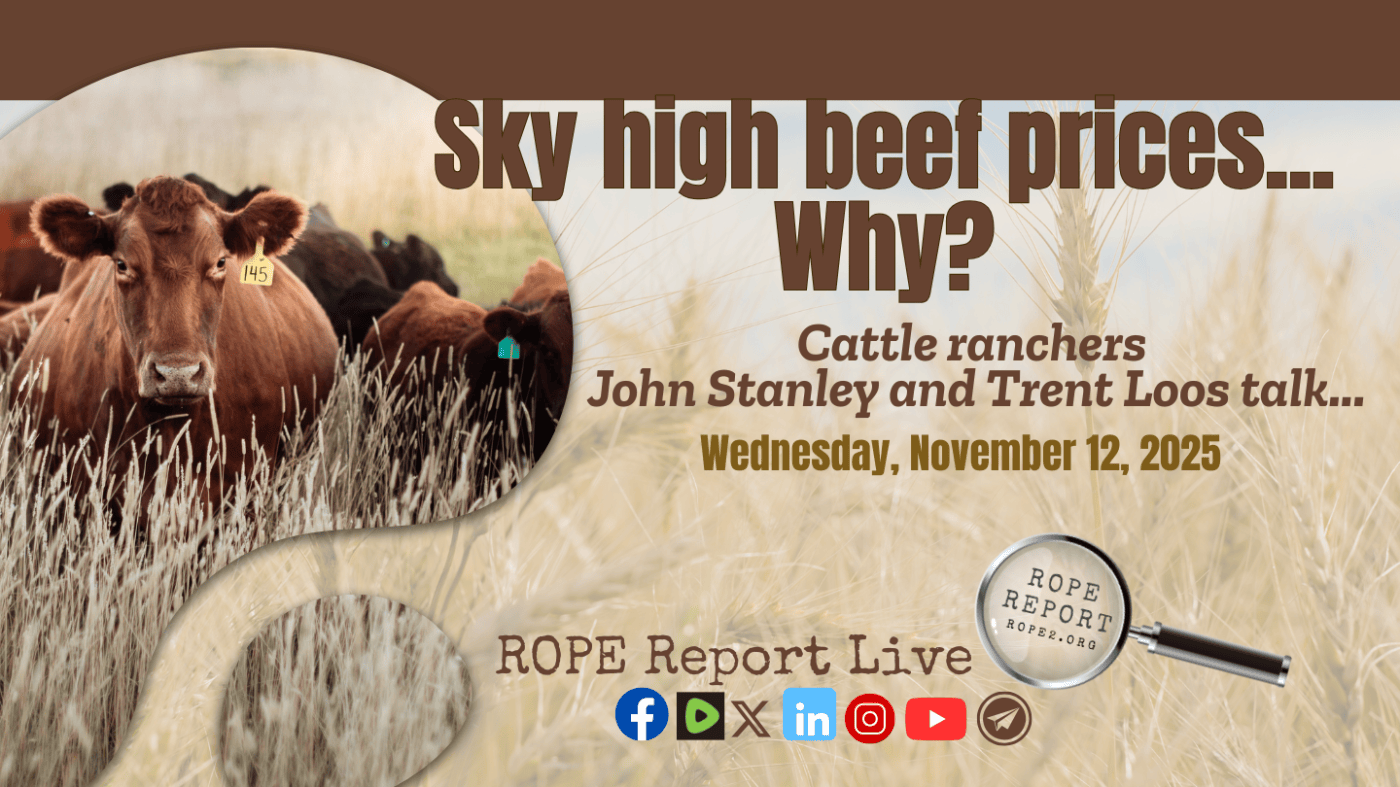
Wednesday, 11.12.25, Michael and I had the pleasure of interviewing two cattlemen on the program about beef prices; “JohnBoy” Stanley from central Oklahoma and Trent Loos – a multigenerational cattle rancher from Nebraska who is not only an avid activist for homegrown meat (he raises pigs and cattle), but operates several of his own podcasts, a tv show and a Substack. You can actually buy his beef directly online, here!

Let’s not forget, at the end of October, President Trump came out very stridently (I know…when is he not?) for a 40 million dollar bailout package for Argentina, which included lowering tariffs on Argentinian beef in order to import more into the US, ostensibly to help lower the high cost of American beef.

Obviously, this caused consternation among those in the American beef industry who had fallen in behind the MAGA (not to be confused with a Make ARGENTINA Great Again policy) agenda in hopes of seeing American beef on American tables.

Then, after the Argentina plan backfired among US beef producers, Trump called for the DOJ to open an investigation into the meat packing industry, claiming that foreign-owned meat packers are driving up the cost of beef.

Consequently, it felt important to have two independent beef producers on the podcast to talk about what they know about beef and beef production in the US. Unfortunately, it was not an easy topic to cover. In fact, I was shocked at how many moving parts there are in the industry, but one thing is clear – Americans are being herded into funnels managed by just a few elite groups in virtually every area of our lives, including our beef food sources.

When the U.S. beef packing industry is dominated by four major companies – JBS, Tyson Foods, Cargill, and National Beef – which control approximately 85% of the U.S. beef processing market, where is the competition that would bring lower prices? In fact, the beef packing story is worse. A Brazil multinational corporation owns 82% of National Beef and JBS is also Brazilian owned/based. Only Cargill and Tyson are US-owned, but these companies are huge. Again, what about the little guys? How do little guys compete?

Well, they don’t – they can’t. The Big Four are big enough to move the beef markets by themselves, leaving the smaller, independent beef producers often completely out of the market equation – selling cattle for pennies on the dollar just to stay in the business.

You can find the full podcast on our YouTube or Rumble channels and it is well worth the time it will take to watch it.

In addition, John had an AMAZING slide presentation he’s created that has so many really informative slides that you should really go through them to have a good handle on what exactly is going on with the beef industry in America (and Oklahoma). He’s given me permission to include them here, so use them!

Bottom line, though, is this:

Americans HAVE to become more self-sufficient in the way we eat, from growing our own “victory” gardens, to sourcing LOCAL sources for beef, chicken, pork and lamb rather than relying on COSTCO, SAMS or WalMart to have it when we need it. And even when they have it, do you know where it comes from? America’s labeling laws are ridiculous and Argentinian or Brazilian beef can be labeled as though it was from the US in many cases because Country Of Origin Labeling is voluntary. What about what’s in it? What did it eat? Hay covered in Biosludge? These are important considerations if you consider your health something to protect.

We talked about how hard it is for people to be able to go directly to a beef grower and buy a side of beef, for example – HOWEVER – if a group of friends or neighbors bought a side of beef from a local rancher and then split it up among themselves, you’ve significantly increased the odds of that rancher staying in business and of you maintaining your physical health and your direct access to food! It’s a three-way win really!

So, in that vein, let me mention a few farmers I know in central Oklahoma that often have beef – The Humble Hive Homestead in Wellston, Go Farms in Medford, Bertrand Longhorn Beef & Cattle Co in Blanchard and of course, we have lamb (sheep) from time to time, you just need to reach out via email and I’ll let you know. We raise them on grasses with no hormones. You can buy a half, or a whole, whatever you’ve got room and funds for (jenni@rope2.org).

There’s a list of Oklahoma beef producers here as well, and I found that if you search “beef for sale in Oklahoma”, you find a whole lot of ranches and farms, that you can reach out to for local beef. You can always check local butchers as well. Many often carry meat in the cases in their shops for sale, or know who to put you in touch with for farm-raised beef.

So, in closing, YOU CAN DO THIS! You can gain access to home-grown, Oklahoma beef if you work at it and if you need to, you can share the cost with family, friends or neighbors. It’s important we do this. For our health, for our beef producers, but also to thwart the plans of the elitists who want us to having nothing and like it!
Dumping Human Waste On Farmland Must Be Stopped

We lost our third sheep of the week last night and I fell asleep – exhausted – on a pillow wet with tears.

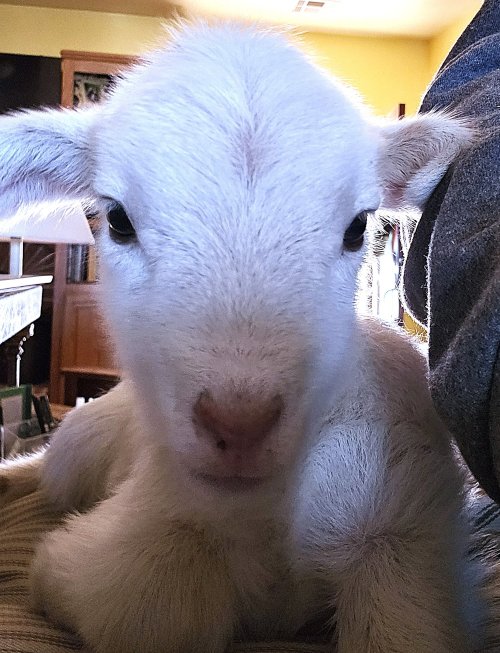
She was an adorable little ‘elf-eared’ lamb that had been born too small and apparently with a heart condition. We brought her in to the house when we noticed her odd respirations and I struggled all day to save her, but her heart gave out about 10 minutes after I’d turned out the light and laid down on my sleeping bag next to her so she could still feel part of a flock.

Though I had to see her die, I got the joy of watching her have what we call, a baby ‘lamb’ dream about five minutes before. Happily, she’d gotten comfortable enough for a few minutes at least, to start feeling as though she was running through the grass, her little legs pawing the air as she lay otherwise quietly on her side.

Earlier in the week, we’d been forced to put down an ewe who had twin 6-week-old lambs at her side because of a fast-moving skin cancer that started on her eyelid. We thought she could make it until the lambs were weaned – and she was close – but we hadn’t noticed that her milk had dried up as her body fought the illness. Consequently, dehydrated, and hypothermic thanks to the super cold we’ve been having, we lost the little girl and had to take the little boy to the vet to become the 6-million-dollar lamb.

Though this is often the kind of thing farmers deal with, I can’t help wondering if there might be something more at play.

Farmers Hurting Farmers

My husband and I have a little 10-acre farm where we raise chickens, ducks, turkeys, a completely loveable (but ungrateful) mother/daughter donkey pair, four dogs and two small flocks of sheep. We happily exist without government subsidies and we wedge our sometimes-burgeoning vet bills into our one salary budget and struggle to make ends meet.

In the nine years we’ve farmed it, our place has never turned a profit, but our large garden – and the sheep – would absolutely keep us able to feed ourselves if the crap ever hit the fan and that means a lot to us.

Where I live, there are tons of little farmers like us who don’t go to the sale barn with their cattle herds or time the market so they can make the most of their soybean crop. I support the bigger, independent ranchers and farmers out here, though, because they feed a lot of people in our area and beyond. That is, to a point.

There are some even bigger differences between us and some of them beyond size. For instance, we won’t pour ‘free’ human sewage on ANY of our pastures, like some of our bigger neighbors who use this as a way to keep from having to buy expensive commercial fertilizers.

Yes, you read that right. Human sewage – the solid remnants of wastewater treatment plants, which is collected, dried, ‘treated’ and then provided to farmers as FREE fertilizer.

I had no idea about any of this until about 5 years ago when a neighbor/homeschool friend told me about the process.

Dumping Human Waste On Farmland Stinks

Saundra has a farm where she and her husband raise American Mammoth donkeys, which they milk (yes, like a cow). Studies indicate that donkey milk is one of the best substances in the world for treating numbers of human ailments. She not only sells the milk to appreciative families, but she uses it to make a line of soaps and beauty products for sale on her website.

One day when we had our kids at co-op, Saundra began telling me about the practice of dumping human waste on farmland. She told me she’d first found out about it after smelling something horrible coming from her neighbor’s property. After visiting with the neighbors and finding that they were literally spreading human feces on the land next door to her donkey dairy, she began to do lots of research.

Essentially, biosludge/humanure/biosolids, contain ANYTHING that goes down a sewer and into a water treatment plant. Anything: viruses, bacteria, hormones, pharmaceuticals, heavy metals and products from industrial processes, including PFAS – known cancer-causing chemicals used in things like firefighting foam and waterproofing compounds that are classified as ‘forever’ chemicals, because removing them from the environment is virtually impossible.

This disgusting concoction is trucked out to pastures, sprayed or dumped onto the land and disc’ed into the soil with a tractor. Unfortunately, neighbors often report seeing biosludge resting on the top of the soil like a toxic coat for weeks, or even months and – during that time – the smell is palpable. Truly – even if it’s disc’ed in – the odor is unlike anything that can be described; an unholy union between something toxically chemical and something about midway through the decay process.

We’ve had it dumped near us and what’s worse, months after the original horrific assault to the senses, when it rains, the smell comes back as bad, or worse, than before.

But the smell tells only part of the story. The rest resides in the ground, where that slurry of chemicals and human waste can leach through the ground, or runoff into water sources that livestock and people drink, or get baked into the hay fed to livestock, that are then fed to people.

Human Waste + Farmland = Toxic Produce

Maine has had its share of destruction from this practice. Farmer after farmer has been forced out of business due to the ripples of PFAS toxicity across Maine’s cropland and water supplies.

In 2021, Maine was testing 34 towns found to have substantial PFAS contamination – including a town where one farm produced milk with more than 150 times the state standard level. By 2022, Maine had become the first state in the union to ban the spreading of biosludge, yet today, PFAS contamination due to biosludge ‘fertilizer’ has been found on over 100 Maine farms and 500 residential properties.  For consumers buying locally to provide ‘healthier’ food choices, this is truly concerning.

Unfortunately, Maine isn’t the only state struggling with PFAS contamination from biosludge.

In Texas, concerned landowners are speaking out against the practice after two Texas farms have sued Synagro – a company which provides biosludge ‘fertilizer’ to farmers – for not being transparent about the chemicals in their wastewater slurry. Dead fish and calves from affected farms have been tested by the county and found to have “30,000 times higher than EPA’s standard for daily [PFAS] exposure”.

In Oklahoma, where Synagro also distributes ‘free’ biosludge to farmers in east central Oklahoma where Saundra and I live, farmers like us have been speaking out against the practice for years, but our pleas have fallen on deaf ears at the state Capitol.

Shane Jett, an Oklahoma Senator who is one of a very few lawmakers fighting to curtail and/or ban the practice in Oklahoma, recently summed up the issue with enormous clarity, “Effectively, we have a government agency [municipalities] that is colluding – to save money, or make money – with a private corporation [wastewater treatment companies] competing with the private sector and they’re assuring us that it’s ‘safe and effective’. Does that sound like anything we’ve heard before?”

Free Doesn’t Mean “Good”

And this is the tale. Farmers want to save money, so they take biosludge to use as ‘fertilizer’ from companies that promise they’ve tested the constituents of the slurry, and municipalities that pay hundreds of thousands of dollars to wastewater treatment companies like Synagro to rid themselves of their municipal waste. Farmers then defend the practice because it saves them thousands of dollars and they’re told it’s ‘safe and effective’ by everyone from the EPA to their local environmental quality agency .

Yet, if the Texas lawsuit against Synagro tells us anything, it’s that something is missing in the transparency of the process that’s leaving farmers and – down the line – consumers at risk.

In 2020, while I was Mayor of our little town, Saundra gave a presentation to our town board about the dangers of PFAS contamination through biosludge. Our town has a very high water table which provides a very real possibility of PFAS percolation through the soil, or run off from the soil, into our local aquifer. Our Town Council sided with Saundra and became the first (and so far only) Town in Oklahoma to ban the practice of spreading biosludge on farmland, even after a presentation from a California-based Synagro employee designed to show us the rainbows and unicorns associated with its use.

Many legislators make this issue about property rights. “It’s the landowner’s decision to use this on their land”, they’ll tell us – more than likely after a waste-water treatment lobbyist has dropped by to suggest they should be protected from lawsuits resulting from biosludge application – but it’s not. Your property rights end when they infringe upon mine and I have just as much right to clean water and chemical-free produce as everyone else who buys “farmfresh” produce expecting it to mean what it says.

And I can’t help but wonder, as I bury my little ‘elf-eared’ lamb this morning, if her condition – or the other ewe’s – had anything to do with our well-water. Is it contaminated with PFAS thanks to all the biosludge dumping in my area? I can’t know. I haven’t tested. But I shouldn’t have to – if farmers won’t stop dumping biosludge on their property, the state should stop them. It’s the only way to ensure consumers that “farm fresh” actually means what it implies.

Senator Jett, Rep. Jim Shaw and Oklahoma Donkey Dairy Farmer, Saundra Traywick – Why Dumping Human Waste On Farmland Needs To Stop

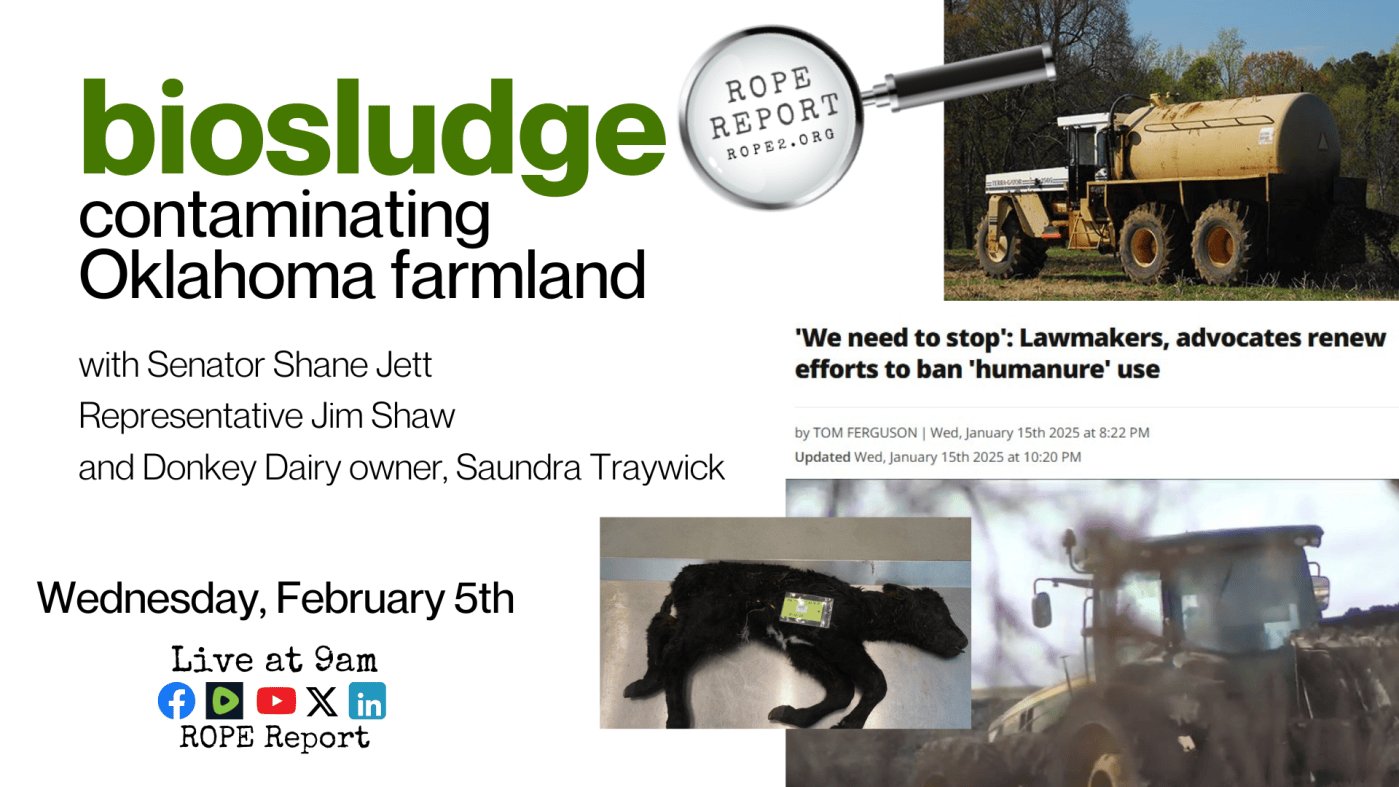
Wednesday, February 7th, Michael and I were joined on the ROPE Report podcast by Senator Shane Jett, Representative Jim Shaw and Saundra Traywick to talk about efforts in the Oklahoma legislature to ban ‘biosolids’ – aka humanure, aka biosludge – from use on Oklahoma farmland. You can find the full LIVE broadcast on both our YouTube and Rumble channels.

For many years, Saundra has been sounding the alarm about this stuff that has such an horrific scent that you can smell it for miles and, up close, almost has a feel it’s so strong.

For many years, few have wanted to entertain Saundra’s concerns about what was in it to cause such an odor. Even after stories came to light in the media about towns in Maine and Texas where animals exposed to the sludge were dying and treated farmland lay in ruins from exposure to PFAs, or forever chemicals, found in industrial coating processes and things like firefighting foam.

Her Senator, Shane Jett, got it though. In 2023, he wrote a bill attempting to curtail the dumping of this toxic substance on Oklahoma farmland, but it didn’t even get a hearing. In 2024, SB874 was re-introduced, made it all the way through the Senate and then died on its way to the House.

Last August, Ben Felder with Investigate Midwest came to Luther and wrote a very long and complete article about the issues surrounding the use of human sewage waste on farmland and its link to Maine and Texas farms polluted with PFAs.

In this clip, we talk about how farmers who use this sludge get it for free from a private company who works with the government (the City of Oklahoma City) to remove their sewage waste while they’re assuring the farmers taking the sludge that it’s safe and effective (sort of like a vaccine we’ve heard about). As with so many things, the application of toxic wastewater to farmland apparently has everything to do with money and very little to do with the safety of the farmers using it and the people eating whatever comes off it.

During another part of the video Representative Jim Shaw spent some time talking about how, without regulation, companies tend to do whatever benefits them – whether it’s spraying farmland with human poop, or putting in a carbon capture facility because, well, tax incentives.

As Rep. Shaw says, Oklahoma has to do better at protecting its citizens and that’s what we have to do this year.

Saundra has created a list of legislation to support and oppose. Check the list out and be familiar with some of the issues. These are the bills that MUST be dealt with this year to help solve the problem of toxic sludge dumping. Make sure to contact your Representatives and Senators and let them know how you expect them to vote should they make it to the floor this session. This practice of biosludge dumping may happen in the rural areas of our state, but depending on what is then grown in that soil, it could absolutely affect you and your health as well.

SUPPORT

HB 1726  – prohibiting land application, spreading, sale, and distribution of biosolids

SB 268 – preventing the spread and application of biosolids for farmland

SB 620 – forces those who use biosolids to have to disclose that they have used it

OPPOSE

SB 271 – Exempts cities and wastewater companies from liability for contaminating rural communities, and allows other states to dump their toxic biosludge on Oklahoma as long as it’s within our negligent (currently non-existent) PFAS regulations!

SB 3 – a temporary fix for biosolid application

Garfield Co. Conservation Coalition’s Response To Gov. Stitt’s State Of The State – Stand With Us; Stand With Trump

LETTER TO GOVERNOR STITT CONCERNING CONTRARY VIEWS FROM TRUMP ENERGY POLICIES

February 4, 2025
FOR IMMEDIATE RELEASE


Dear Governor Stitt,

We are writing to you today to ask why you are contrary to President Trump’s stance on so called “green energy?” President Trump has made it clear that he opposes wind turbines, solar complexes, and even new long-range transmission lines. President Trump has stated that not one wind turbine would be built under his administration, he has also said that no one wants the solar complexes that cover miles and miles with solar panels made in China. President Trump’s National Emergency Energy Order has frozen the funds for the Biden Administration’s so called Inflation Reduction Act, aka, the Green New Deal as we understand.

Why are you still supporting the Green New Deal in Oklahoma? You commented in your State of the State Address today that, “Americans are moving away from the extremes and turning back to the values that have always defined our success: personal responsibility, resilience, family values, and hard work. …Not extreme gender ideology, Green New Deals, or open borders.” Will you commit to a moratorium on the green new deal in Oklahoma?

You also spoke about the fact that, “Here in Oklahoma, we have business friendly policies and the most affordable, reliable energy anywhere thanks to limited government, common sense, and clean burning natural gas.” Oklahomans have seen an increase of 35% on electricity bills and thousands of Oklahomans are standing up against the encroachment of these “green energy” corporations in their communities and near their homes. But the people of Oklahoma are not able to protect their non-participating land because our state lacks any site planning, coordination, approvals, oversight, or permitting for these projects! These corporations like to stay in the shadows and enjoy no oversight while bulldozing over the citizens’ rights surrounding the projects.

This is not an occurrence that should be boasted about by the Governor that swore an oath to protect the citizens of his state. These projects are financed with federal and state subsidies, and the “green energy” corporations are targeting Oklahoma to fill their pockets with these subsidies BECAUSE there is a lack of regulations and oversight to protect the people. The people of Oklahoma receive very little back for their sacrifice.

If you are serious when you say you want to “protect the Oklahoma way of life” then you must implement an immediate and emergency moratorium on industrial solar complexes, wind turbine complexes, and merchant private transmission lines currently under construction or in the proposal process to preserve the hundreds of thousands, if not millions, of acres of productive Oklahoma farmland targeted for these projects.

Oklahoma farmers and ranchers are doing everything they can to defend the conversion of agricultural land into industrial solar complexes, wind turbine complexes, and transmission corridors, we are asking you as Governor to stand with us!

NeAnne Clinton, President

Lea Smith, Vice President

Suzanne Hunter, Secretary

Laura Hofferber, Treasurer

Legislation To Support And Oppose Affecting Farms and Ranches – Including Energy, Property Rights, Farming and Food

This list is compiled by Save Oklahoma Farms And Ranches (SOFAR). You my click on this link to go directly to the Google spreadsheet which is VERY thorough and easy to read with links to the legislation directly.

YES

ENERGY

HB 1044 – Gives local county commissioners back power, and enables them to implement moratorium on wind turbines to protect oil and gas industry.

HB 1205 – Repeals this giving small wind turbine tax credits:

HB 1263 – Creates wind turbine setbacks

HB 1450 – Creates a moratorium on the construction or expansion of any new or existing wind or utility-scale solar energy facilities in this state

HB 1451 – Creates setbacks of 15,840 ft to adjacent property lines for Industrial Solar and Industrial Wind Turbines!

HB 1452 – puts a tax on green energy to replace losses from subsidies

HB 1989 – setbacks of 2 miles from wind turbines to aquifers, etc

HB 2074 – Repealing wind energy development

HCR 1001 – Resolution against federal power of eminent domain.

HJR 1003 – resolution against eminent domain for green energy subsidized projects, AND for green energy TRANSMISSION LINES

SB 1003 – provides for on-demand power and not intermittent power. Firm power; oil/natural gas. Intermittent power; wind/solar

SB 1018 – a bill to protect water resources from a CO2 pipeline rupture or other CO2 disaster.

SB 239 – removing subsidies from wind turbines

SB 429 – increasing wind turbine setbacks

SB 460 – promotes natural gas as the preferred fuel source for Oklahoma

SB 713 – stops the blinking lights on wind turbines by requiring them to use a different technology for aircraft detection

SB 994 – includes protections against eminent domain for co2 pipelines and sequestration

SB 919 – would prevent the CLO (School land) from leasing to renewable energy, mining, etc. rather than farming and agriculture

FARMING

HB 1162 YES!!! Allows small animal milk producers to advertise and sell their milk.

HB 1191 YES!!! Allows donkey milk to be advertised.

HB 2152 YES!!! Gives home food producers more freedoms and removes government overreach restrictions.

SB 477 – companion bill to HB1191 – allows donkey milk to be advertised

SB 939 – modifies the Food Freedom Act to make it easier for home producers to sell certain foods

SJR 8 – The right of a citizen of Oklahoma to cultivate food and to purchase food from the source of his or her choice shall not be infringed

HUMANURE/BIOSOLIDS

HB 1726 prohibiting land application, spreading, sale, and distribution of biosolids

SB 268 preventing the spread and application of biosolids for farmland

SB 620 forces those who use biosolids to have to disclose that they have used it

GENERAL GOVERNMENT

SB 571 – whistleblower protections

MEDICAL

SB 611 protects Oklahomans from ESG, AI, forced vaccines, digital ID, protects right to farm, etc.

NO

ENERGY

HB 1093 – bad setback bill

HB 1374 – changes designation of a public utility among other changes

HB 1737 – would allow electric bills to add fees for accidents occurring with new energy technologies

HB 2142 – National Guard Wind Energy Policy Act of 2025

HB 2155 – Renewable Energy Facility Act

HB 2157 – All about developing renewable energy

HB 2747 – For transmission line upgrades and more

HB 2752 – an eminent domain for energy sites bill that is not as inclusive as the one in the YES section

HB 2908 – a bill creating hydrogen incentives

SB 1003 – check the link for SOFAR’s take on the bill – a very large energy bill

SB 1012 – REMOVES safe setbacks for wind turbines

SB 1026 – Setbacks are not sufficient enough to protect land owners

SB 1080 – public/private partnership for development of hydrogen projects

SB 2 – setbacks not sufficient to protect land owners

SB 241 – Twenty Million Dollars ($20,000,000.00) for the purpose of providing a rebate for capital investments in an establishment that refines, manufactures, or processes compounds or elements into hydrogen-based products 

SB 269 – a very large energy bill with lots of concerns – again, check the link for SOFARs take

SB 352 – SB 994 instead. It’s a better bill and includes protections from co2 pipeline eminent domain!

SB 577 – exemptions to AI and data centers. Favors big business over small business.

SB 610 – increases electric / utility costs because of green energy projects and transmission corridors

SB 688 – gives green energy companies tax breaks

SB 689 – Gives tax exemptions to AI and data centers. Favors big business over small business.

SB 998 – Increasing rate payers rates to to pay for new transmission lines

FARMING

HB 1910 – giving tax dollars to farmers for providing sustainable farming practices, etc.

SB 1080 – retaliatory legislation against the Oklahoma Donkey Dairy

HUMANURE/BIOSOLIDS

SB 271 – Exempts cities and wastewater companies from liability for contaminating rural communities, and allows other states to dump their toxic biosludge on Oklahoma as long as it’s within our negligent (currently non-existent) PFAS regulations!

SB 3 – a temporary fix for biosolid application

GENERAL GOVERNMENT

MEDICAL

Oklahoma must stop carbon capture before its too late

Opponents of the green energy onslaught in Oklahoma have celebrated several high profile wins over the past few months. In December, the Department of Energy cancelled the Delta Plains Electric Corridor, a 645-mile long (and 18 miles wide) transmission line project that would’ve spanned the entire northern part of the state, after relentless pressure from landowners, activists, and lawmakers.

A proposed wind farm in McIntosh County was scrapped earlier this month, after intense public outcry. The Canadian company TransAlta planned a massive wind farm of 100 turbines, but scrapped the project after encountering intense pressure from activists who are becoming increasingly organized and vocal about the encroachment of green energy into our state.

In December, a judge ruled that a large wind farm of 84 turbines in Osage County must be dismantled within one year, after ruling that Enel, a renewable company currently operating several green projects in the state, failed to acquire the proper permissions to build, violating the Osage tribe’s mineral rights.

Despite these wins, there has been very little public outcry over the rapid advance of another green energy scam in Oklahoma: the carbon capture industry. How many know that the largest Direct Air Capture facility in the United States opened in Osage county back in August? The project, Bantam, passively draws carbon dioxide directly from the atmosphere via a method using heated limestone, and then captures the CO2 to be compressed into a liquid and injected deep below the surface for permanent storage, or transported via a proposed vast network of pipeline throughout our state.

In December, the New York Times dubbed carbon capture as a new “gold rush”, and thanks to the Inflation Reduction Act of 2022, which tripled the 45Q tax credit that companies receive for each ton of captured carbon, billions are being poured into this unproven and potentially dangerous technology.

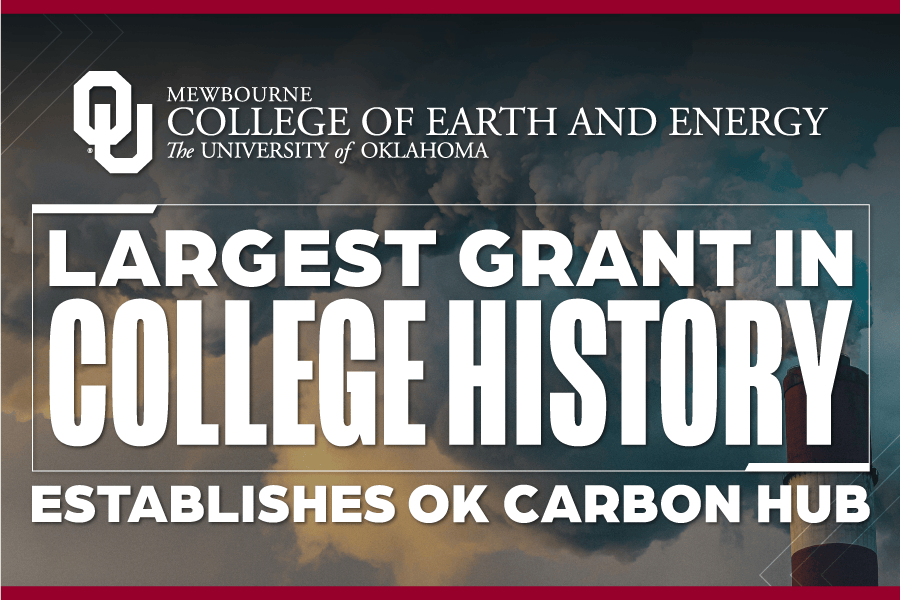
In November, OU’s Melbourne College of Earth and Energy received an $18.7 million grant from the Department of Energy, the largest grant in the college’s history, to establish the Oklahoma Carbon Hub, and researchers will investigate three separate underground storage locations to potentially inject 54 million metric tons of liquefied and highly pressurized CO2 over a period of 20 years (54 million tons may sound significant, but it is a drop in the bucket compared to the 40 billion tons of CO2 pumped into the air globally each year).

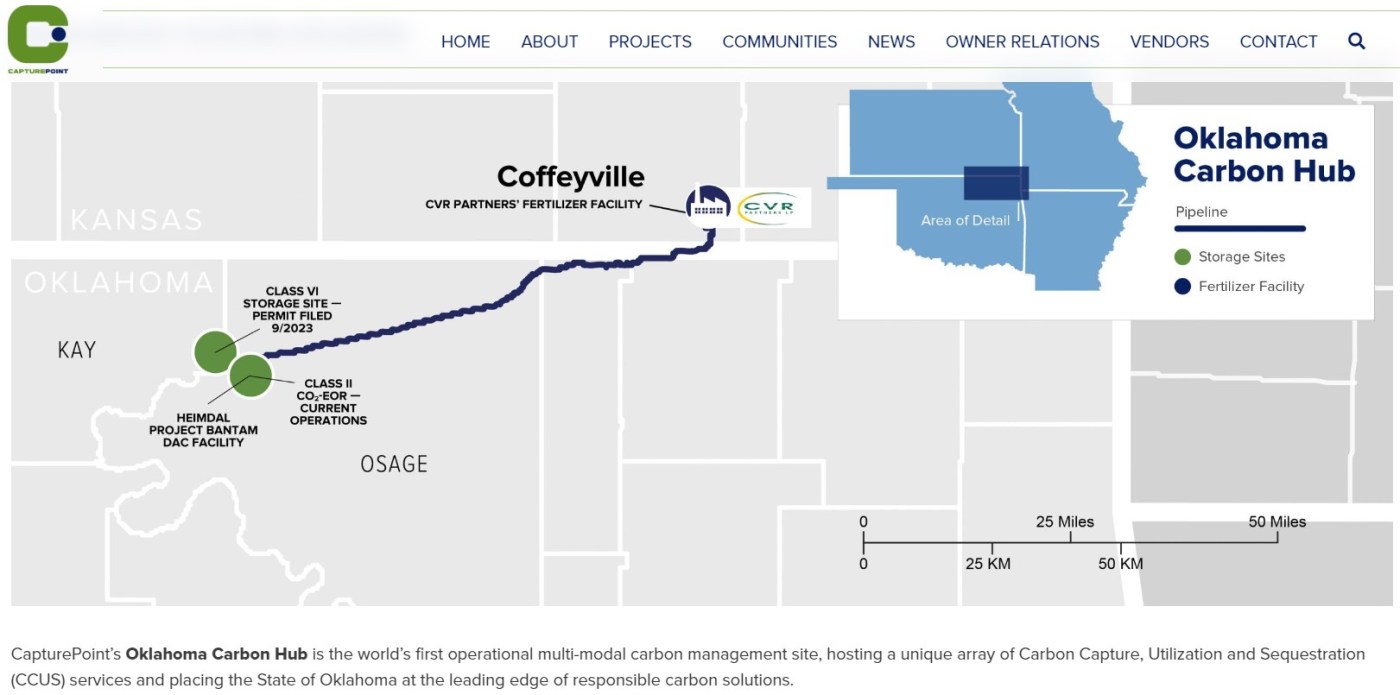
Once injected underground, this massive amount of high-pressure CO2 will require constant monitoring for hundreds of years to prevent disastrous leaks and shifts. There are currently three customers committed to providing captured carbon to be stored deep under Oklahoma: the CVR fertilizer plant in Coffeyville, Kansas, the Azure Sustainable Aviation Fuel Production Facility near Cherryville, Kansas, and the Bantam Direct Air Capture facility in Osage County.

I, for one, don’t remember this ever being on the ballot, or even being discussed with the public before proceeding with these plans. Does Oklahoma really want millions of tons of out-of-state CO2 stored under their feet, where future generations will be saddled with the burden of ensuring that the CO2 remains underground?

 A new study concludes that sequestered CO2 must be stored for 1000 years, centuries after the companies collecting on the carbon capture “gold rush” have disappeared from the earth, but the CO2 will remain, and all future generations of Oklahomans will be forced into stewardship of these wells. Put in this perspective, its easy to see how outlandish these endeavors are.

New research has found that existing carbon capture facilities appear to capture almost none of the total emission they release during operation, seemingly cancelling out the carbon that they do capture. A carbon capture project located in Decatur, Illinois, one that the DOE called “the largest demonstration of its kind in the United States”, was recently found to have captured only 10 to 12% of its total emissions each year. The facility, Archer Daniels Midland, was also found to have experienced dangerous leaks last year,

One big question that should be asked is this: what happens when our entire subsurface storage is filled to the brim with CO2? When 50 or 100 million tons are stored under our feet, will it have affected the level of atmospheric CO2 in the slightest? Once we’ve run out of room for captured carbon underground, where will newly captured CO2 be stored? Will the liquefied gas migrate to the surface, threatening the lives of anyone in the vicinity? Will our aquifers or our soil be in danger of contamination? Can this highly pressurized gas cause earthquakes? The questions are almost rhetorical. It seems clear that this is an enormous and dangerous boondoggle, and no one has a right to demand our citizens bear this level of risk.

The massive amount of money being poured into carbon capture appears to be blinding investors and legislators from considering long-term consequences and how this “gold rush” will affect no only present generations, but future generations who will inherit this ridiculous burden.

Unlike other green energy projects, carbon capture has drafted our oil and gas industry into the scam, and they’ve become some of the biggest supporters because they stand to reap the rewards thanks to large increases in the tax credit. To oppose carbon capture in Oklahoma means to oppose the oil and gas industry itself. As more investment pours into Oklahoma-based carbon capture projects, so will be the pressure to expand CO2 pipeline across the state, and the use of eminent domain to fast-track this expansion. The Great Plains Institute has been hard at work promoting the expansion of CO2 pipeline here, and they’ve even created a handy “fact sheet” to see just what might happen if this pipeline isn’t opposed soon.

Carbon capture will be probably the most disastrous “green” boondoggle this state has ever seen. The potential for deadly leaks, where the high-pressure CO2 migrates to the surface and killing everything within the vicinity, as well as aquifer and soil contamination, is enough to reject the industry in toto. The fact that Oklahoma will be expected to act as stewards of these massive reservoirs of CO2 for up to a millennium is laughable.

Peter Murphy of CFACT; Green Energy is “pure crony capitalism”

As our Governor continues down his “more of everything” energy plan road, Oklahomans continue to shine the stoplight against the ‘greening’ of their state.

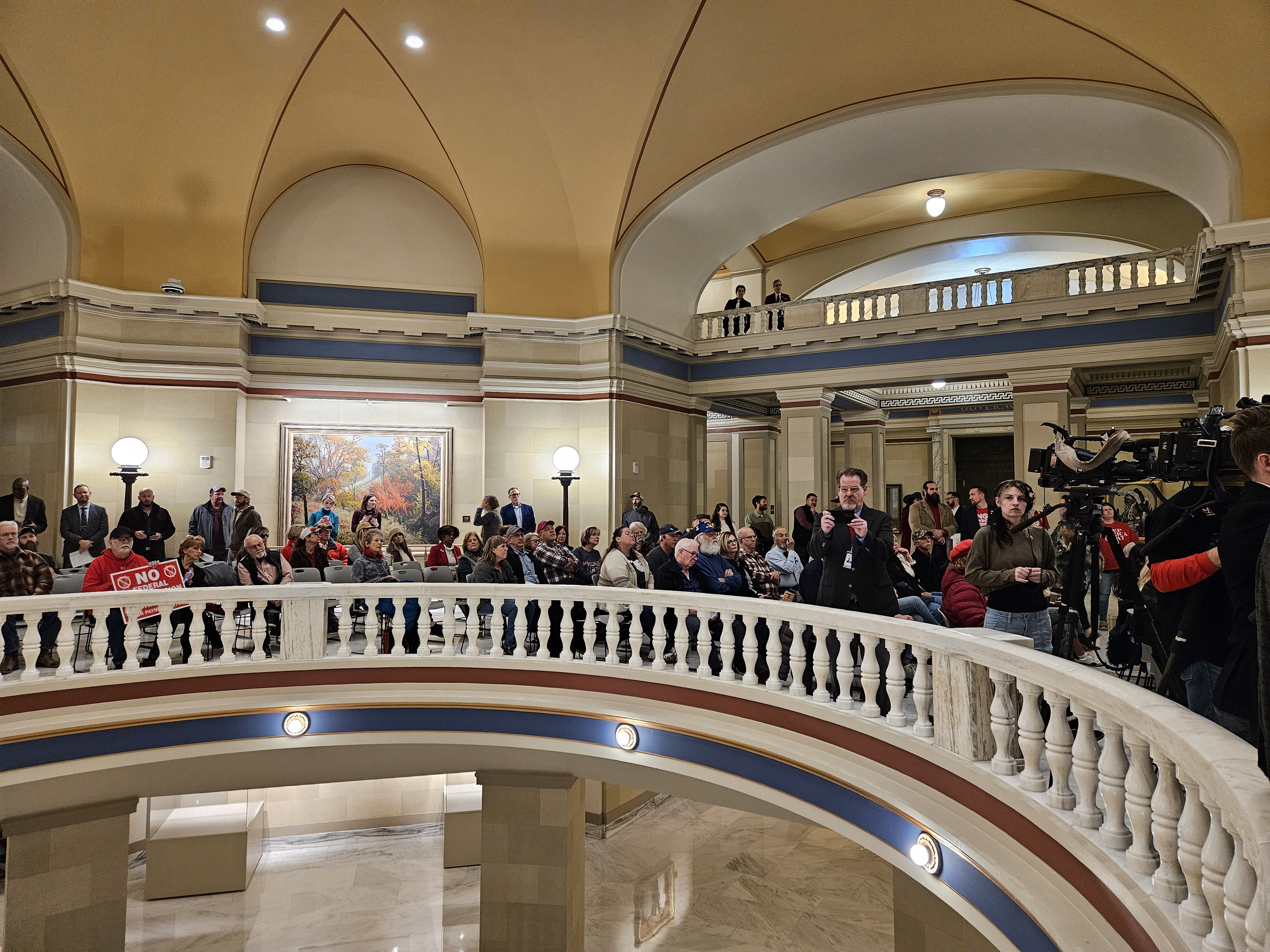
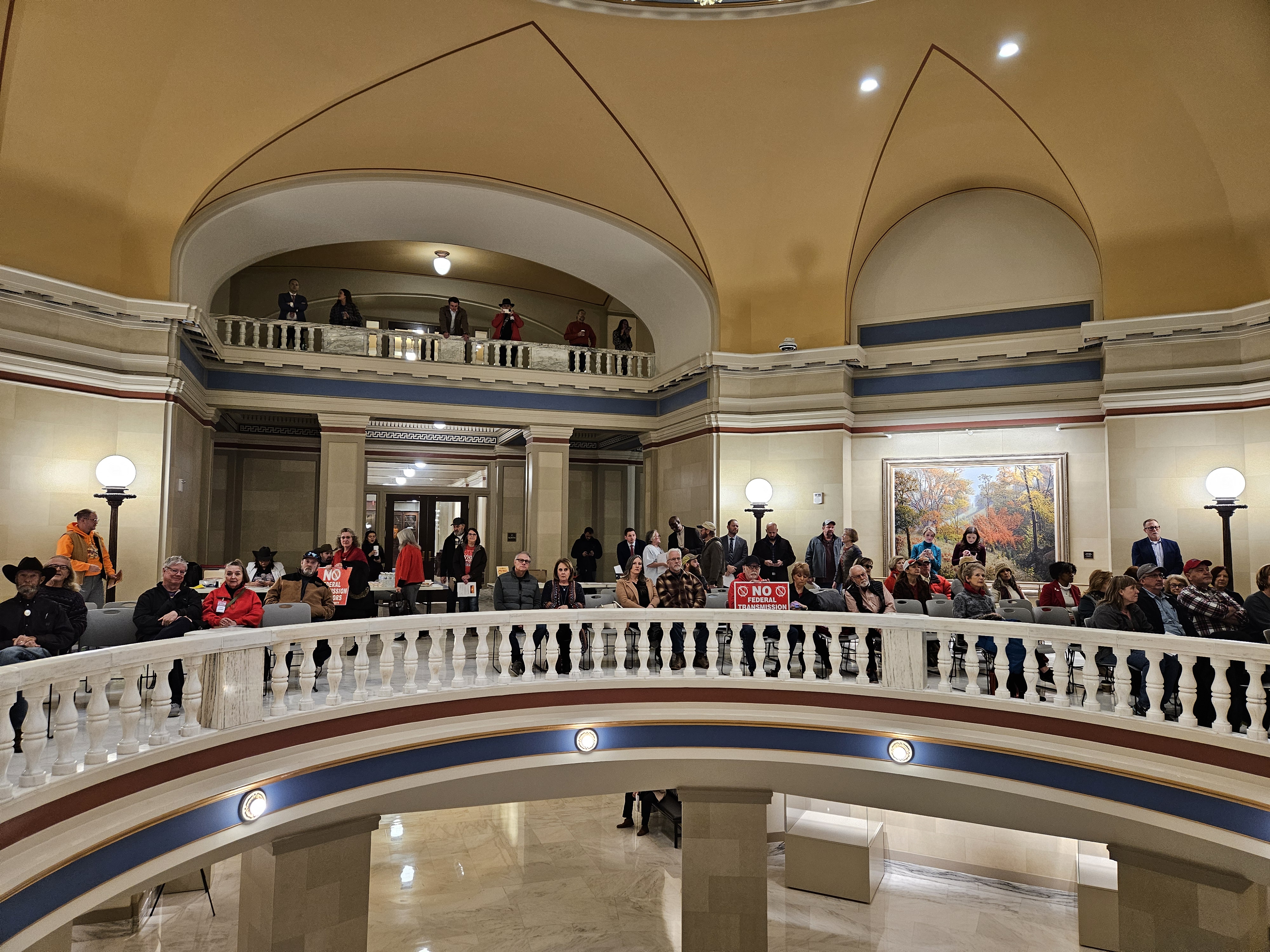
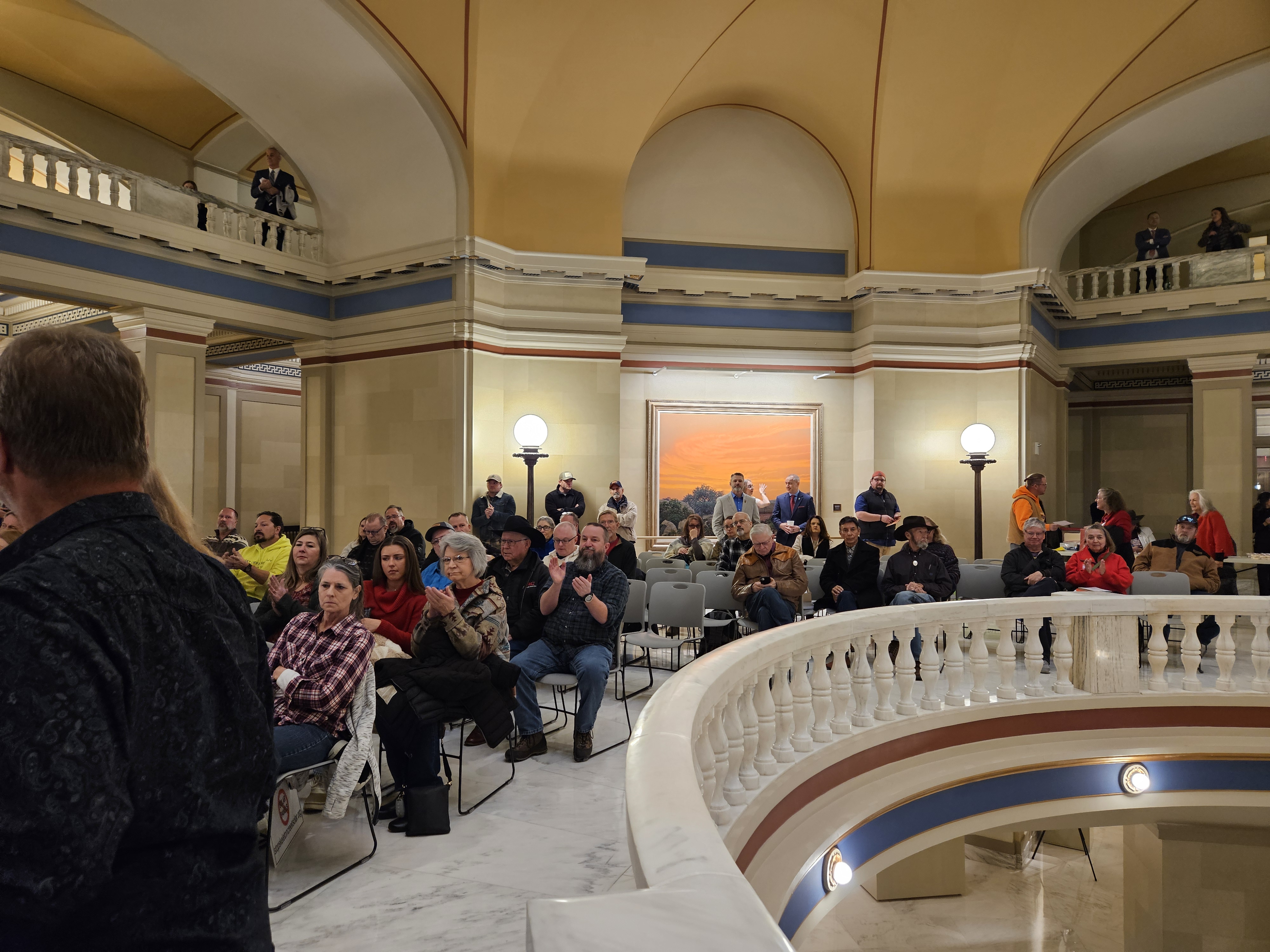
Nowhere can you find a better example of that push back than the No Wind Turbines rally at the Capitol on Tuesday, from which we broadcast live. If you missed it, you can find the videos of the event on our YouTube channel. There were several hundred people there, though the temps started in the teens and barely got into the 20’s all day!

The Friday after the rally, we interviewed Peter Murphy on the podcast. Peter is with an organization called, CFACT – the Committee For A Constructive Tomorrow – which was formed to create truthful content and publish accurate research which would directly counter the deceptive global climate change narrative. They have an extensive advisory board which includes the Lord Monckton, a climate change realist who can be found all over the internet gleefully righting global warming myths around the world.

Michael and I had an extensive conversation with Peter, but two things really need to be brought to the forefront from that interview.

First, after having a conversation via Facebook with several legislators following the rally, it’s readily apparent that there are elected officials who see green technology companies as part of the Free Market Economy. This could be further from the truth, yet people still seem to insist there’s truth to this fairy tail. Below, Michael, Peter and I talk about how very UN-FREE MARKET the green scam is, but you can find the full, live video on our YouTube and Rumble channels.

We also talked about the IRA (Inflation Reduction Act) and how its passage was really just an homage to Biden’s cronies, giving them their own little climate gravy trains. But beyond that, as Peter says, it’s just massive group think paid for with tax dollars stolen from citizens and handed out to a list of donor-base desirables.

President Trump has – so far – seemed unfriendly toward the green energy scam. This bodes well for our ability to pull back on green initiatives nationally once he is president, but there will have to be no further federal funds thrown at this nonsense if we are going to attempt to re-align post-Biden energy policy again toward fossil fuels.

Nevertheless, we will continue to have to fight right here in our own backyard. The deceptive practices of the green energy companies and the willingness of some Oklahoma elected officials to look past those, make it hard to know when or where a green energy scam project will pop up. Like Whack-a-Mole, they seem to appear, but then disappear when too many citizens get wind of the projects, only to reappear again later in a different county. Meanwhile, agendas aren’t being properly posted to warn residents of the impending doom to their land ownership and enjoyment and some county commissioners appear to worry more about the business of climate contractors than the liberty of their own citizens. To top it all off, with an “all-of-the above” energy pusher for a Governor, citizens may be out of luck asking their elected officials to protect their land, livlihoods and legacies and have to once again take matters into their own hands and stand up for themselves.

Continue to follow us and we’ll update as we’re able.

Did You Know? The Largest Carbon Capture Plant In The US Opened In Oklahoma, August 13th – Part 1

Shane Smith and Jenni White

August 13th, the largest DAC (direct air capture) plant in the United States opened in Shidler, Oklahoma. Not merely the largest in the nation, but the second largest in the world.

Dubbed Bantam, this facility is a project of Colorado-based Heimdal, Inc., and is located at the CapturePoint Carbon Hub in Osage county in northwest Oklahoma. The facility itself will allegedly remove 5,000 tons of CO2 every year which will be permanently stored in underground facilities being developed by CapturePoint.

This project is just one of many that have emerged since the passage of the Inflation Reduction Act of 2022, which increased the 45Q carbon sequestration tax credit (initially added to the tax code as a part of the Energy Improvement and Extension Act of 2008) for every ton of CO2 stored from $50 to $85.

A chorus of Oklahoma Republicans praised the new project, with governor Kevin Stitt stating, in a post to Heimdal’s LinkdIn page:

Other Republicans who spoke highly of the new facility include Senator Markwayne Mullin, Congressman Frank Lucas, lieutenant governor Matt Pinnell, and House Speaker Charles McCall.

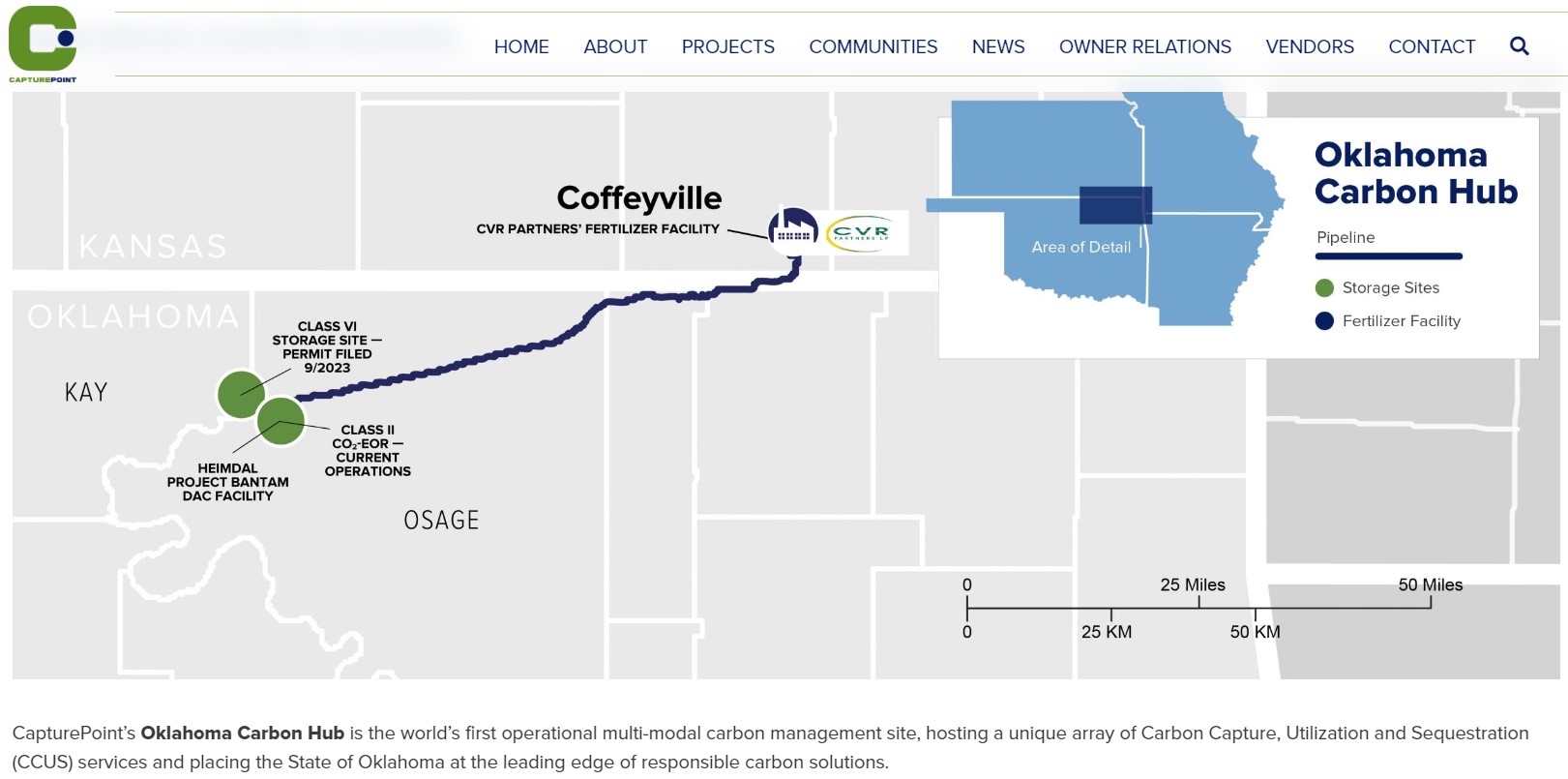
According to CapturePoint’s website, the company owns and operates on 6,900 acres, but has contracted rights to 10,000 acres in Oklahoma for use as carbon storage space. CO2 is transported from CVR’s facility in Coffeyville, Kansas, via a 68-mile pipeline to CapturePoint’s Oklahoma facility for storage. 

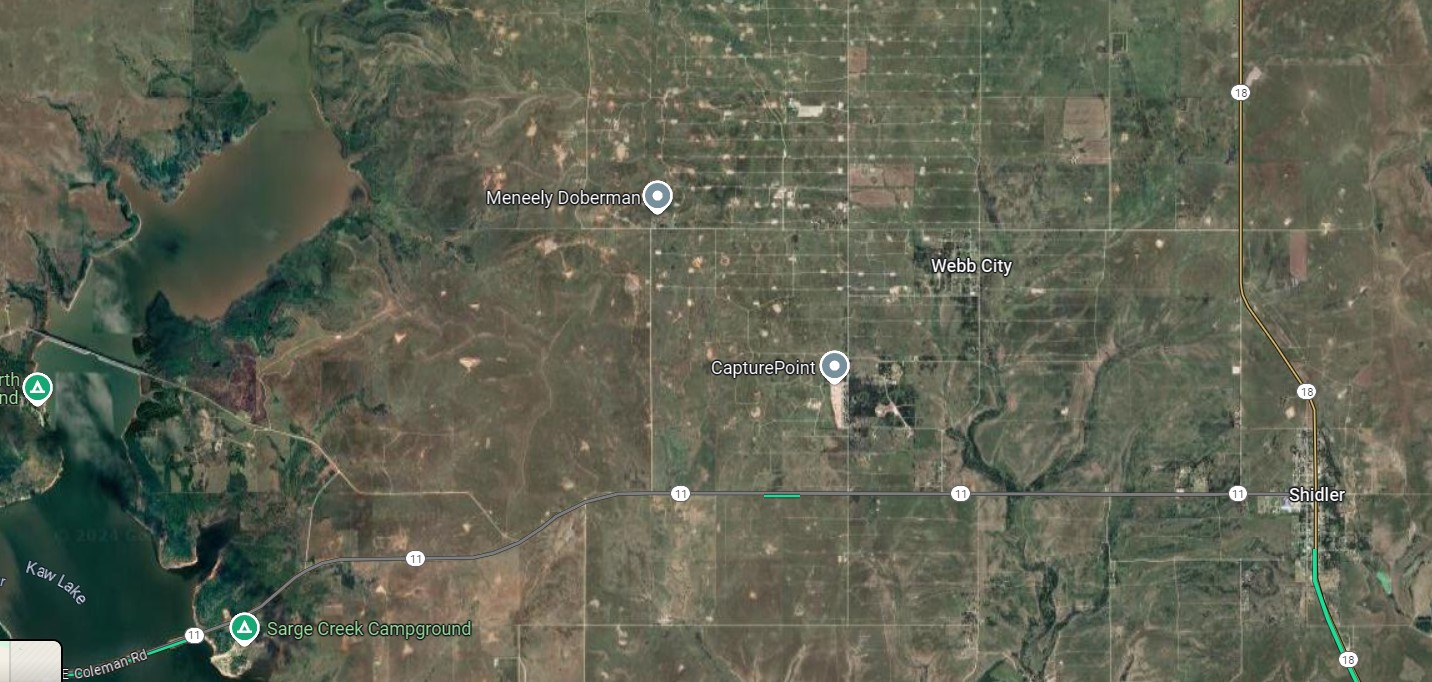
Below is a Google map of the area showing the CapturePoint facilities in relation to Kaw Lake and the city of Shidler. (C02 + H2O yields H2CO3, carbonic acid)

Despite the fact that no local news sources covered the opening of the nation’s largest carbon capture plant and that subsequent information can only be gleaned from industry magazines, Oklahoma’s leaders have been deeply involved in making this state a home for the carbon capture and sequestration industry for some years now.

Our oil industry has been using CO2 for enhanced oil recovery since 1982.

In 2009, our state passed the Oklahoma Carbon Capture and Geologic Sequestration Enhancement Act, which set the stage for permanent storage of CO2 in Class VI wells deep under our state.

In June of 2018, then-governor Mary Fallin signed onto The Governors’ Partnership on Carbon Capture.

In October of 2020, current governor Kevin Stitt signed the “Regional Carbon Dioxide Transport Infrastructure Action Plan”, along with Kansas, Louisiana, Maryland, Montana, Pennsylvania, and Wyoming. The signatories to this plan entered into a “Memoranda of Understanding”, committing to jointly develop “the buildout of regional CO2 transport infrastructure”. According to document, “the vision of this memorandum is to accelerate, through state leadership and coordination, the deployment of regional CO2 transport infrastructure networks and the development of carbon hubs…”

On March 19th, 2021, Stitt was among several other signatories to a letter addressed to Congress in support of the SCALE (storing CO2 and lowering emissions) Act, which set the stage for a massive expansion of CO2 pipeline throughout the country. 

Last year, the Oklahoma legislature released SB200, Oklahoma Carbon Capture and Geological Sequestration Report. This report attempted to inform legislation eventually created via SB200 (Boles, Rader) regarding jurisdiction of dangerous class VI injection wells, yet according to a statement submitted by the Petroleum Alliance, “It is unclear if projects for direct air capture and sequestration are allowed under the Oklahoma Carbon Capture and Geologic Sequestration Act.”

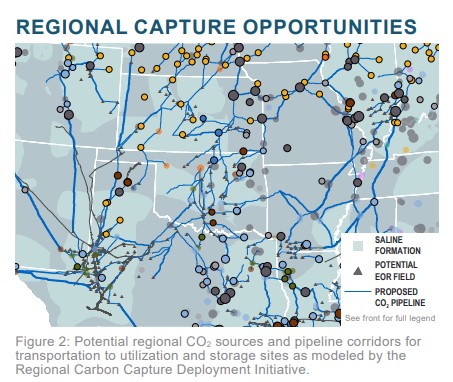
With the opening of the Bantam facility, it appears that Oklahoma is set to see an explosion of investment and build-out of CO2 pipeline throughout our state. At the Great Plains Institute website, in a document entitled, “Implementing Carbon Capture and Storage Technology”, the Institute provides a map of Oklahoma with potential CO2 pipeline corridors that crisscross our state like a spiderweb, transporting the liquified carbon dioxide.

But is this what Oklahomans want? How many residents know what carbon capture is, let alone that the world’s second largest carbon capture facility is located in their state? How would they feel if they found out?  Capture point is seeking permits for an additional two class VI (CO2 sequestration) wells in the area – one would think that eventually nearby residents would want to know that something so dangerous is near to them and Kaw Lake now, with the possibility of more to come.

These pipelines are far different from the more familiar oil or natural gas pipelines, in that the CO2 being transported must maintain immense pressure. To transport carbon dioxide via pipeline, it must first be compressed into a liquid state, known as “supercritical CO2”. This requires up to 3000 psi of compression, which, as you can imagine, is extremely dangerous. The CO2 must maintain this compression as it travels through the pipeline.

Because of this immense transmission pressure, CO2 pipelines run the risk of “running ductile fractures”, where an initial rupture creates a chain reaction as escaping CO2 converts to a gas, rapidly opening a tear along the pipe at 100 meters per second. CO2 is heavier than air. Should the pipeline rupture, any released CO2 will settle on the ground, sucking the oxygen from every living thing in the vicinity, just like it did to the people of Satartia Mississippi last year.

Could these pipelines withstand an earthquake or other unpredictable accident? What is the protocol for cleaning up a massive CO2 leak? How will first responders get close enough with their equipment to seal the leak and clear the area of the dangerous gas?

The Biden administration seems to think that a simple increase of the 45Q tax credit will magically jumpstart a green revolution, with the oil and gas industry leading the way. But, perversely, this subsidy has drafted Big Oil into the Green Agenda, with Oklahoma actively seeking to place itself at the forefront. 

An analysis by Taxpayers for Common Sense found that, from 2010 to 2019, 90% of 45Q tax credits were based on fraud. Do we have any reason to believe that this level of fraud won’t continue in expanded form as greater numbers of these facilities are built across our state?

A 2021 article from FORBES denotes no less than 6 taxpayer green boondoggles funded by American taxpayers. But then Oklahoma need look no further than Canoo – a troubled electric vehicle company to which Governor Stitt gifted 15 million Oklahoma taxpayer funds to locate to Oklahoma, only to have them struggle against bankruptcy, unable to fund themselves, let alone return an investment to the state.

Several questions need to be asked: Should Oklahoma really become a dumping ground for out-of-state CO2? How much land would be enough to even make a small dent in the amount of CO2 produced yearly? Even if a DAC facility functioned as intended, it would remove only an insignificant fraction of CO2 from the environment. The CO2 itself, once moved to a permanent underground storage, would need to be monitored for centuries to ensure that it doesn’t leak back to the surface. Who will bear liability, should the carbon dioxide leak to the surface?

A 2022 report by the Institute for Energy Economics and Financial Analysis found that these facilities fail far more often than succeed. Of the 13 carbon capture facilities examined, seven underperformed, two failed, and one was abandoned entirely. 

In a later report, the Institute for Energy Economics and Financial Analysis found that the premier Norwegian CCS facilities, the ones used to justify much of the push for expanded carbon capture, experienced significant anomalous CO2 storage behavior that could have led to a disastrous gas leak. This directly contradicts the rosy predictions of Bantam and CapturePoint’s press releases and statements from their supporters.

Another point of concern is whether these carbon capture facilities are generating more CO2 than they capture, completely undercutting the stated reason for their existence. Has this been a concern at all among the supporters of this subsidy-created gold rush? Several analyses have found that the process of capturing carbon, liquifying it, and either transporting, storing, or using it in enhanced oil recovery actually produces more CO2 emissions than it captures. 

Another question is: how much land is enough? As money continues to flow into the carbon capture industry, more land will continue to be permanently taken out of use in order to build more facilities. But it will never be enough. The International Energy Agency found that 32 billion metric tons of carbon dioxide would need to be removed from the atmosphere yearly in order to prevent global temperatures from rising a mere 1.5 celsius. It’s an impossible goal that our leaders are apparently ready to sacrifice much in a vain attempt to reach.

Tens of thousands of acres have already been scooped up by the carbon capture industry. When our leaders finally admit that atmospheric CO2 removal has been a massive, enormously expensive boondoggle, how will these carbon hubs and wells be disposed of? Is it even possible to do so safely? 

Our children and grandchildren will be forced to clean up the mess created by the futile attempt to “capture” carbon and store it. Why is our state intent on placing this burden on its future generations? Why not a nuclear reactor facility instead of carbon capture? Why not something that directly benefits the people of our state? There’s nothing more “green” than nuclear power, so why the push to instead make our state a reservoir for CO2? 

Carbon capture is a costly dead end. We need to force our leaders to realize it before its too late.

More to come…

Carbon Capture Can Kill You – All To Satisfy The World Economic Forum’s Agenda And Help The Rich Get Richer

Wow, what a way to come back from vacation! Friday, September 20th, Michael and I hosted a record THREE guests on the podcast at once – former Iowa Congressman Steve King and Robert Nazario of Freesoil Foundation and Steve Kenkel, an Iowa county official with a job akin to our County Commissioners – all to talk about carbon capture pipelines being created in mid-America and how these can kill us and our property rights.

What is a carbon capture pipeline you ask?

Here’s former Iowa Congressman, Steve King, to explain a bit about it:

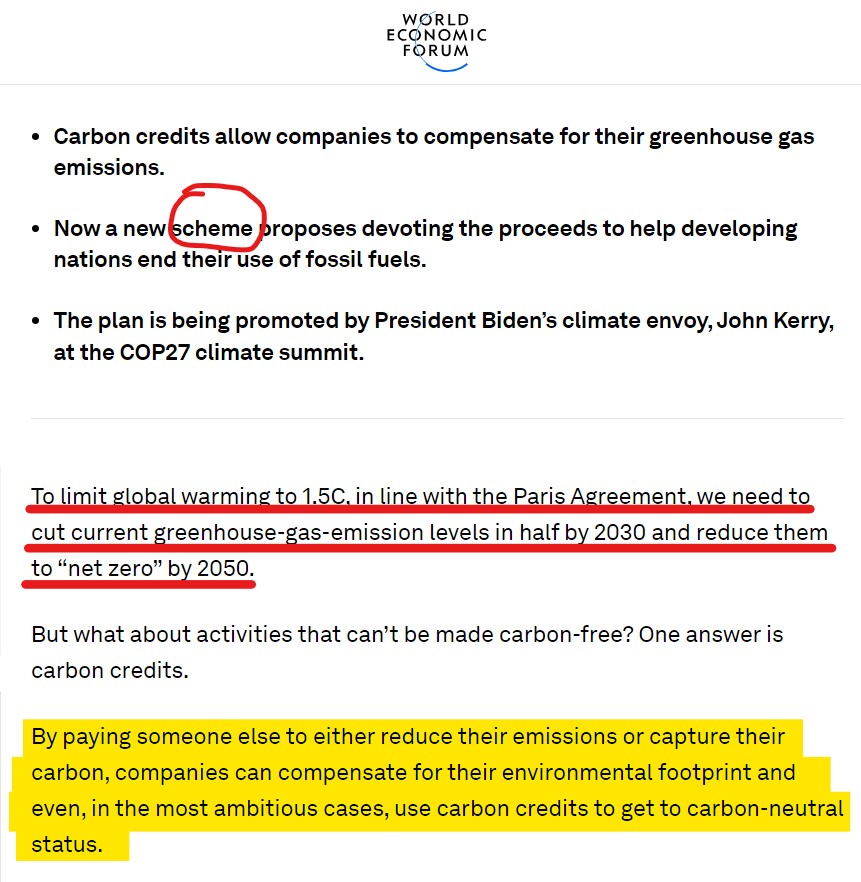
According to the World Economic Forum, “To limit global warming to 1.5C, in line with the Paris Agreement, we need to cut current greenhouse-gas-emission levels in half by 2030 and reduce them to “net zero” by 2050.”

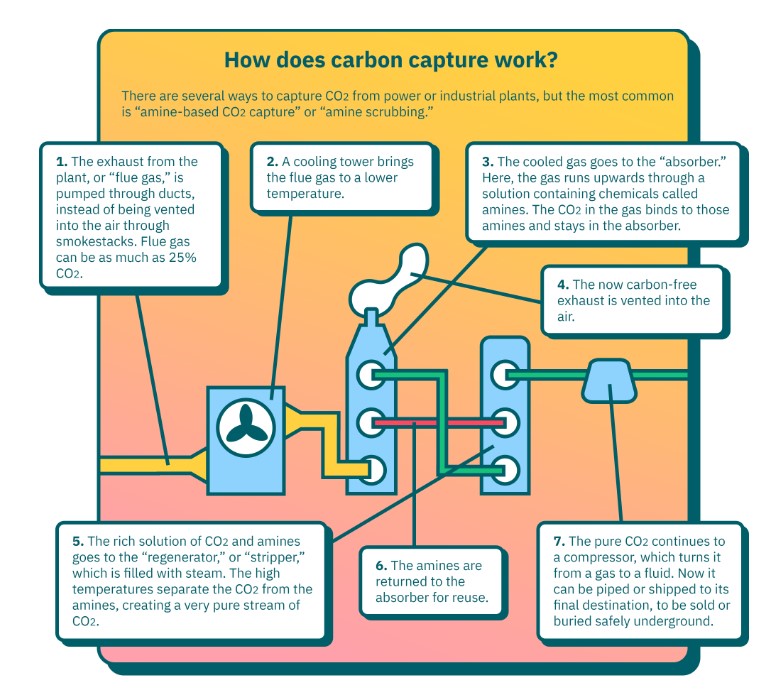
So…a carbon capture pipeline is a pipeline that stores CO2 removed from the earth’s atmosphere by carbon capture technology (see below), which can then be sequestered in the ground and used as currency when the WEF wins it’s war on the fiat exchange mechanism we’re all used to now (dollars) and our unGodly rich overlords want to buy a little CO2-producing yacht – or something nice for themselves.

What are “greenhouse gas” emissions?

Basically anything with CO2.

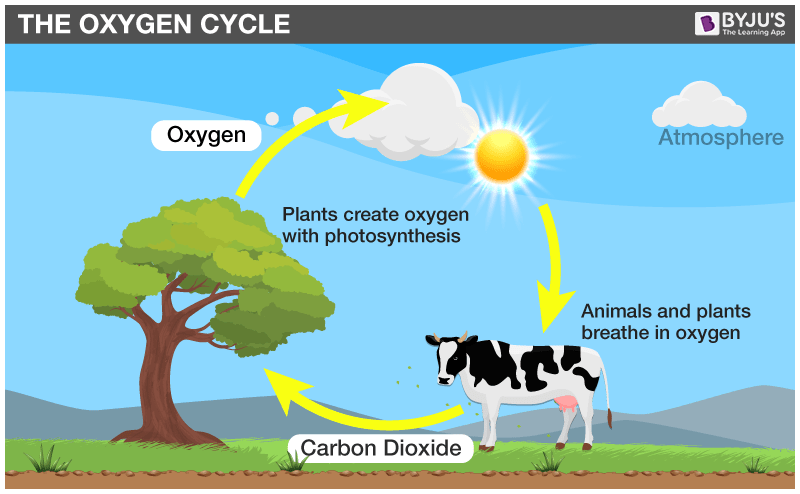
What is CO2? A compound of the elements Carbon and Oxygen which is produced by every living, breathing animal or human on the planet as a bi-product of cellular respiration (the process of breathing in Oxygen, which then powers all our cells by turning it into CO2, which we then breathe out), but also the burning of fossil fuels and decomposition of formerly-living (respiring) things to name a few others. Check out the schematic of the Oxygen Cycle which everyone should have learned in sciences courses throughout our school years. Seriously, it’s this easy to understand –

So stop and think on this a second…if plants use CO2 to create the O2 we breathe, what happens when we remove a huge chunk of CO2 from the air? If you wondered if it could be like putting a plastic bag over your head, you’d be right.

In fact, we know this to be true in practice – and here’s how.

The climate goonies have already started manufacturing these carbon sequestration pipelines and slipping them below the earth’s crust in numerous places – 5300 miles worth of them to be exact.

One of these is Satartia, Mississippi, where a CO2 pipeline rupture injured 45 and forced the evacuation of 200 townspeople.

See, CO2 is heavier than O2 – which should make you wonder how enough of it gets into the upper atmosphere to cause the heating effect we’re all supposed to be scared to death of. In great quantities – like that leaked from a CO2 sequestering pipeline – it flows out of its source and onto the ground – where people are. The following is an excerpt from an NPR article, “The U.S. is expanding CO2 pipelines. One poisoned town wants you to know its story“, which you should read.

Cars stopped working, hobbling emergency response. People lay on the ground, shaking and unable to breathe. First responders didn’t know what was going on. “It looked like you were going through the zombie apocalypse,” says Jack Willingham, emergency director for Yazoo County.

Now, three years after the CO2 poisoning from the pipeline break, some in Satartia see the incident as a warning at a critical moment for U.S. climate policy. The country is looking at a dramatic expansion of its carbon dioxide pipeline network, thanks in part to billions of dollars of incentives in last year’s climate legislation. Last week, the Biden administration announced $251 million for a dozen climate projects that focus on CO2 transport and storage.

Satartia residents are lucky. In Cameroon, Africa in 1986, a large CO2 bubble was released by Lake Kuk. It flowed out of the lake, down the mountain and killed absolutely everything that breathed oxygen for many miles, including 1,746 people and around 8,300 livestock.

Obviously, this ‘scheme’ is riddled with problems. Here are a few others.

Private Ownership Means ZERO ACCOUNTABILITY To Anyone But Investors

Summit Carbon Solutions – the organization mentioned by Congressman King in the above video, as the pipeline pushing organization – is a subsidiary of Summit Agricultural Group – a PRIVATE CAPITAL firm that includes as one of its offerings, Summit Carbon Solutions – all led by one guy, the Chairman and CEO, Bruce Rastetter, who Congressman King calls, “The Republican George Soros Of The Midwest”.

Unfortunately, one of Oklahoma’s own – Continental Resources – is a Summit Carbon Solutions investor, as are TPG RISE, (“a leading global alternative asset management firm, dedicated to the climate investing strategy of its global impact investing platform TPG Rise”, led by Bono and Richard Branson among others) and Tiger Infrastructure Partners (with offices in NY and London) who is excited about ESG and focuses their investments on transportation, digital infrastructure and “energy transition” to include ‘decarbonization’.

So what? Who cares? People are free to invest in what they want, right?

Private Property Rights VS Privately Funded Corporations Seeking Eminent Domain Rights

The full video (which you can find on Rumble or YouTube) shows the frustration the three men have had fighting THEIR OWN ELECTED OFFICIALS to make sure their personal property rights guaranteed by the Constitution are secured.

Private organizations engaged in making money on the back of a community, do anything they can to win the community over. After all, who wouldn’t trust Nick? He just donated a crap-ton of money to the local FFA. Why should I question his motives in getting me to sign a contract for an easement on my property line to accommodate a pipeline I wouldn’t have to see? He’s obviously invested in the community. Sure I’d trust him – even if I had to sign a piece of paper saying I couldn’t divulge the specifications of our contract to anyone.

Here’s a perfect example of this technique. This is Summit Carbon Solutions “aren’t we great” page. They’re great, right? Who couldn’t see that?

Then, there’s the problem we’ve seen here in Central Oklahoma with wind turbine developers. The developers – flush with taxpayer funds from the Biden Administration to power the ‘green agenda’ – donate to legislator’s campaigns, essentially assuring that any legislation they need for their projects could go their way – including the removal of citizens from their land.

No, not all legislators are influenced in this way, however, Senator Jessica Garvin and Representative Kevin Wallace (among others) were booted out of office this summer, in part due to complaints that they worked harder for their donors than they did for their constituents.

We The People can’t regulate private investor firms powering private companies who want access to our land if we don’t want them to have it. All we can do is beg our elected officials to follow the Constitution and hope they’ll side with their constituents and not the ever-knee-bending cries of “ECONOMIC DEVELOPMENT” and “GLOBAL CLIMATE CHANGE” or the big bags of money these investor and taxpayer-powered people have that we middle-Americans don’t.

This is a bad position to be in as an American that can ONLY be rectified by being a LOUD, ACTIVE voice at County Commissioner meetings, Corporation Commission meetings and in the state Capitol with our own – and other – legislators and getting very involved in local elections.

Listen to Robert Nazario talk about the IMPORTANCE OF PROPERTY RIGHTS below. Take the words to heart and get ready to get in the game, because even if you don’t have property, dwindling farmland will effect your way of life and the way of life of your children and/or grandchildren as we’re all funneled into corporate solutions that will allow our Managers to manage us.

None of this ‘green’ nonsense is sustainable, or designed to truly help the planet – it’s designed to help people with money, make and keep their money.

Blog at WordPress.com.

Up ↑