Search

ROPE Report

Tag

Carbon credits

Who’s Running The Show? Oklahoma Carbon Capture, Part 2

One day, while surfing the web for information relating to green energy, I stumbled onto the fact that Oklahoma has the largest carbon capture plant in the United States and the second largest in the world.

Immediately, I contacted friends in Osage county – where the plant is located – and no one I spoke with knew anything about it at all; from long-time politically active folks who get around in their community regularly, to the two County Commissioners I spoke with, to the outgoing Sheriff, to the county clerk. NO ONE had any idea that the LARGEST CARBON CAPTURE PLANT IN THE NATION was right down the road in Shidler off an old oil company road.

Interestingly, neither the Corporation Commission nor DEQ knew much about it either according to the employees I spoke with and neither one of them knew who regulated the site to keep Oklahomans safe from accidental discharge of CO2 (which has injured people in Satartia, Mississippi).

This all makes complete sense when reading a Senator Dave Rader-authored bill that passed through the Energy Committee this session to give the Corporation Commission jurisdiction over carbon capture facilities. So who’s monitoring the CO2 capture facility now? Does our Governor just do these deals on his own and not worry one little bit about the safety or security of Oklahomans? It surely seems that, in Oklahoma, it’s the ‘green’ energy wild west where everything goes so long as we’ve got an “all of the above” energy policy to push forward.

In fact, I only learned anything about the facility at all because I found a video of Governor Stitt excitedly congratulating the company Heimdal for the creation of the carbon capture plant, ‘Bantam’, on Heimdal’s LinkdIn page. Heimdal is the brainchild of a 30-something named, Marcus Lima – a chemist from Norway.

Lima created Heimdal’s carbon capture technology through Y Combinator in 2021, specifically to take advantage of green energy handouts such as the IRA’s $180 per ton credit of CO2 that is captured and stored through at least 2032. Yes, you read that right. He started the process SPECIFICALLY to get the ‘free’ money.

Heimdal is backed by Sam Altman – another 30-something who assumed control of Open AI after Elon Musk stepped down, took it public and then got fired. He and his husband just recently had a baby.

After my article about Oklahoma’s carbon capture fame came out in the Federalist, a post on Marcus Lima’s LinkdIn page, caught me by surprise
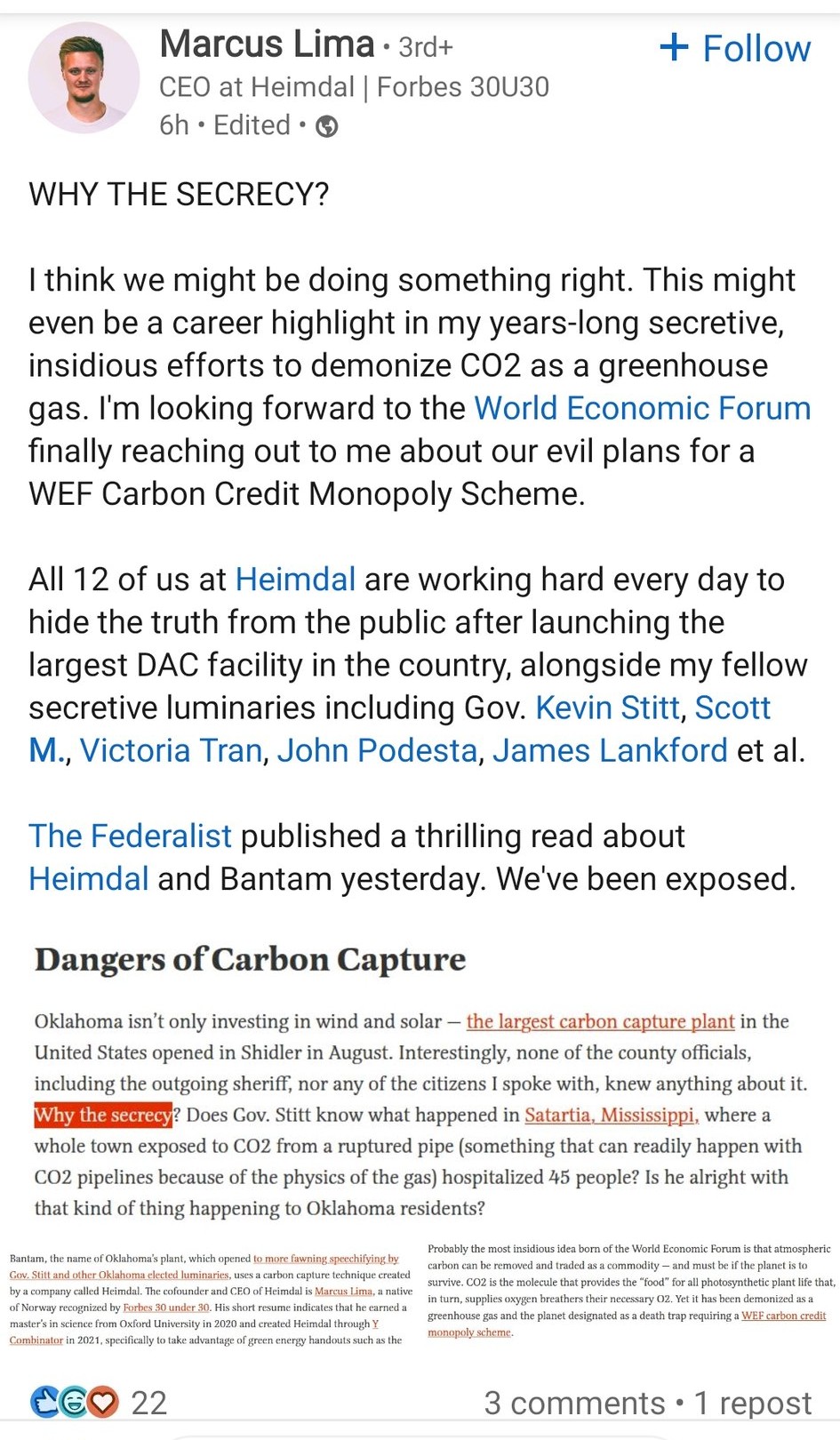
These remarks were made after he read a serious article in a national online magazine.

Because I’m me, I commented on the post:
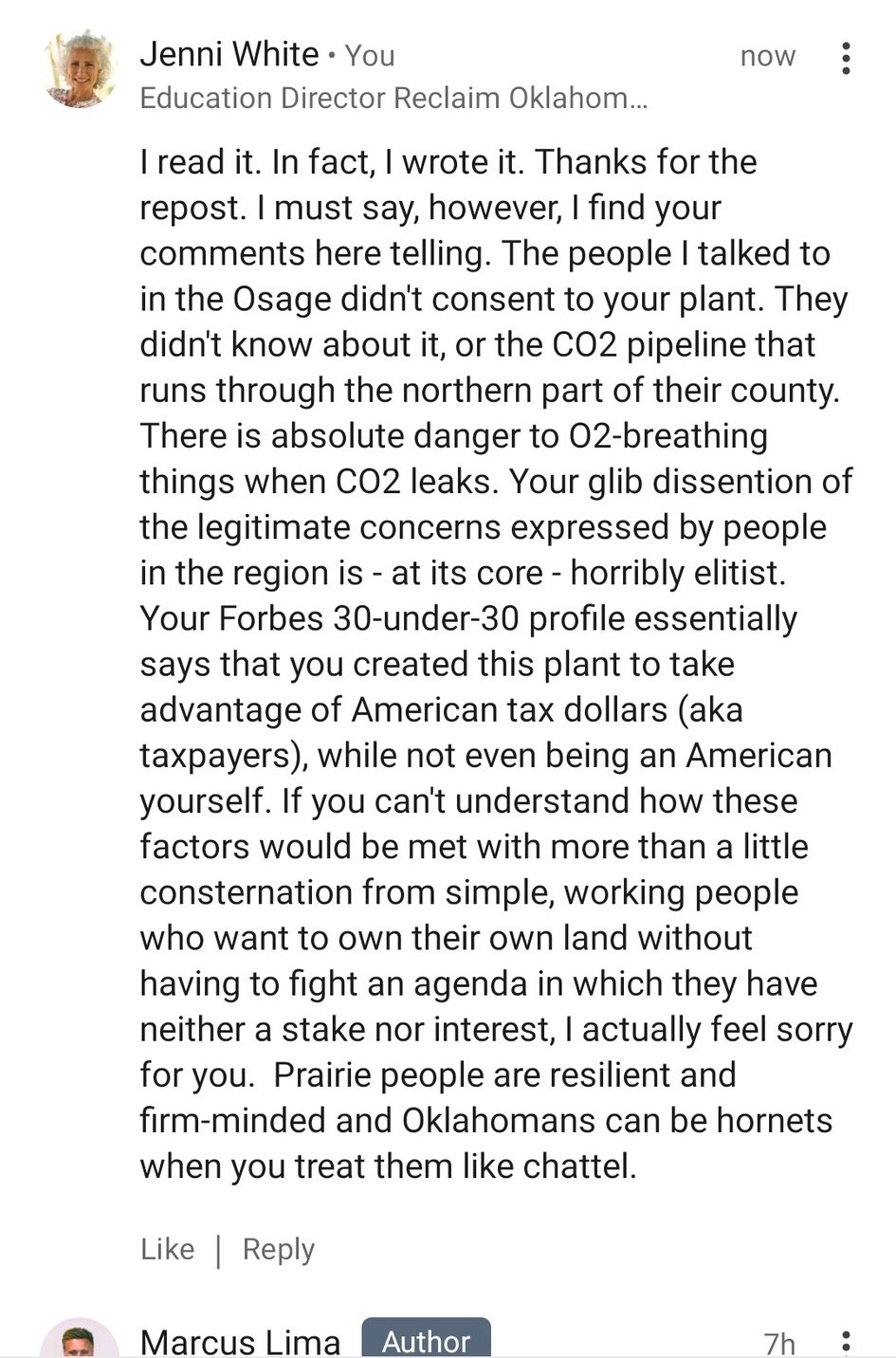
Not long after I posted this, I received a reply in my message box from Lima:
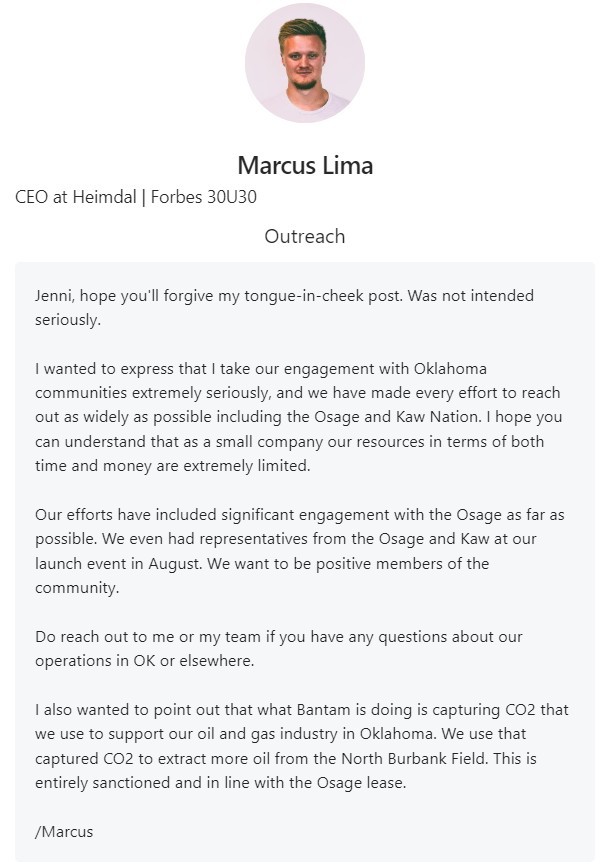
Either he’s a very considerate European, or someone suggested he respond to me and then delete the post. Either way, the original post has been deleted from his LinkdIn page. Note that in his response he mentions only the Native American populations. What about the ‘regular’ folk? Again, no one I spoke to knew anyone who knew anything about this ‘groundbreaking’ plant. This is telling.

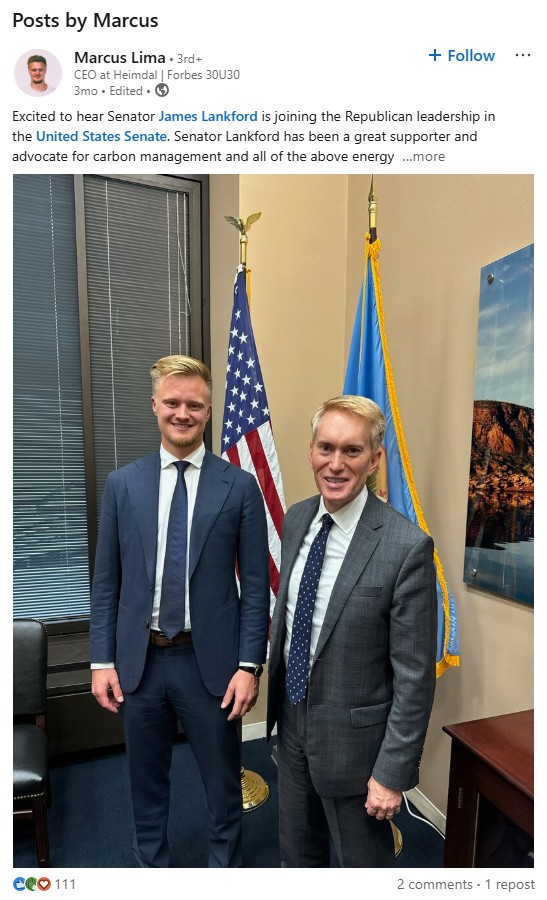
I noted that in his post he lists his “fellow secretive luminaries” as Kevin Stitt, Scott M, Victoria Tran, John Podesta and James Lankford. We know Stitt, Scott M. is either Scott Mueller (briefly Secretary of Commerce and Workforce Development, who now works for Goldman Sachs), or Scott Mitchell (an Oklahoma broadcaster). Victoria Tran was the Deputy Secretary of Oklahoma Secretary of Energy & Environment at some point, but I can’t find her listed in that position any more. John Podesta is the creepy democrat political operative who’s worked for everyone from the Clintons to the Obamas and who served as Senior Advisor to President Biden for International Climate Policy from 2024 to 2025 after which he became the Chair of the leftist Center for American Progress. Then, of course, there’s our liberal Republican Senator Lankford, who has a lovely picture with Lima still up on Lima’s LinkdIn page.
He also has a photo of himself with the AG – “We discussed CLass VI well permitting and primacy for the State of Oklahoma, as well as Heimdal plans for DAC facilities in the State, with the launch of Bantam, as well as our expansion plans. It’s clear direct air capture (DAC) and carbon management broadly has an ambitious future and home in Oklahoma.”

I’m not sure what the AG has to do with any of that, but this was upsetting. He wants MORE Direct Air Capture (DAC) facilities in Oklahoma. Why? This has nothing to do with oil and gas exploration (although there is experimentation with injecting liquid CO2 into old wells as a way of fracking out new oil, instead of using salt water). This has everything to do with carbon credits and ‘sequestering’ CO2. In fact, in an article posted to Heimdal’s website but released by Bloomberg News, Lima says, “The world must cut greenhouse gas emissions as quickly as possible, and research shows reducing the use of fossil fuels is the fastest way to do so.”

Why in the world are we chasing after DAC technology in Oklahoma? This is the entire basis for the Carbon Credit scheme and the Green New Deal. This should be upsetting I would think – especially to REPUBLICANS as this whole thing is just a way to usher in a new economy based entirely on NOTHING. This whole technology is about nothing more than investors creating investment projects to make themselves more money.

Under the Biden administration and the IRA, these kinds of projects were not only ideologically ‘funded’, but funded with billions of our tax dollars as well.

We know that President Trump has said he hates wind turbines and that he’s not inclined to continue IRA subsidies, but then we have Governor Stitt giving an interview to POLITICO where he says that he’s asking the President to continue the subsidies to keep the green energy projects funded we already have going here in the state.

We can almost forgive the Altman’s and Lima’s – as Rush Limbaugh is quoted as saying, “If you’re not a liberal at twenty, you have no heart; if you’re not a conservative at forty, you have no brain.” But our Governor should be expected to DO better – if not KNOW better – if not for his age, but for the fact that he should have advisors to dispense topical thoughts and a pulse on his constituency, listening to their desires. Yet he doesn’t. He rules Oklahoma like a King – on his own with advisors he picks himself and changes depending upon whether or not he likes what they have to say – look at the State School Board, the Oklahoma Health Care Authority, his Energy and Environmental Secretary and the Oklahoma Veterans Commission – and these are but a few examples. This history does not at all indicate an affinity for Oklahomans, but a myopic, self-centered, elitist view of governing that can only acknowledge his constituency as “the little people”.

Here in Oklahoma, the only ones crying out about the continued shoving of the Green Agenda down our throats in a Red State are the CONSERVATIVE little people; land owners and rural people effected by CO2 pipelines that can break and discharge their deadly gas onto their livestock and families – farmers whose land can become ruined from the oil and fiberglass thrown down to the soil by fractured wind turbines – communities whose farmland is being usurped for huge solar panel installations that seed the ground with glass and toxic chemicals should they catch fire or be damaged by hail or a tornado, preventing local food from ever being grown there again.

Unfortunately, Oklahomans have tended to love these authoritarian types of Republican Governors, we can only hope to learn from our history and be wiser in 2026.
Oklahoma must stop carbon capture before its too late

Opponents of the green energy onslaught in Oklahoma have celebrated several high profile wins over the past few months. In December, the Department of Energy cancelled the Delta Plains Electric Corridor, a 645-mile long (and 18 miles wide) transmission line project that would’ve spanned the entire northern part of the state, after relentless pressure from landowners, activists, and lawmakers.

A proposed wind farm in McIntosh County was scrapped earlier this month, after intense public outcry. The Canadian company TransAlta planned a massive wind farm of 100 turbines, but scrapped the project after encountering intense pressure from activists who are becoming increasingly organized and vocal about the encroachment of green energy into our state.

In December, a judge ruled that a large wind farm of 84 turbines in Osage County must be dismantled within one year, after ruling that Enel, a renewable company currently operating several green projects in the state, failed to acquire the proper permissions to build, violating the Osage tribe’s mineral rights.

Despite these wins, there has been very little public outcry over the rapid advance of another green energy scam in Oklahoma: the carbon capture industry. How many know that the largest Direct Air Capture facility in the United States opened in Osage county back in August? The project, Bantam, passively draws carbon dioxide directly from the atmosphere via a method using heated limestone, and then captures the CO2 to be compressed into a liquid and injected deep below the surface for permanent storage, or transported via a proposed vast network of pipeline throughout our state.

In December, the New York Times dubbed carbon capture as a new “gold rush”, and thanks to the Inflation Reduction Act of 2022, which tripled the 45Q tax credit that companies receive for each ton of captured carbon, billions are being poured into this unproven and potentially dangerous technology.

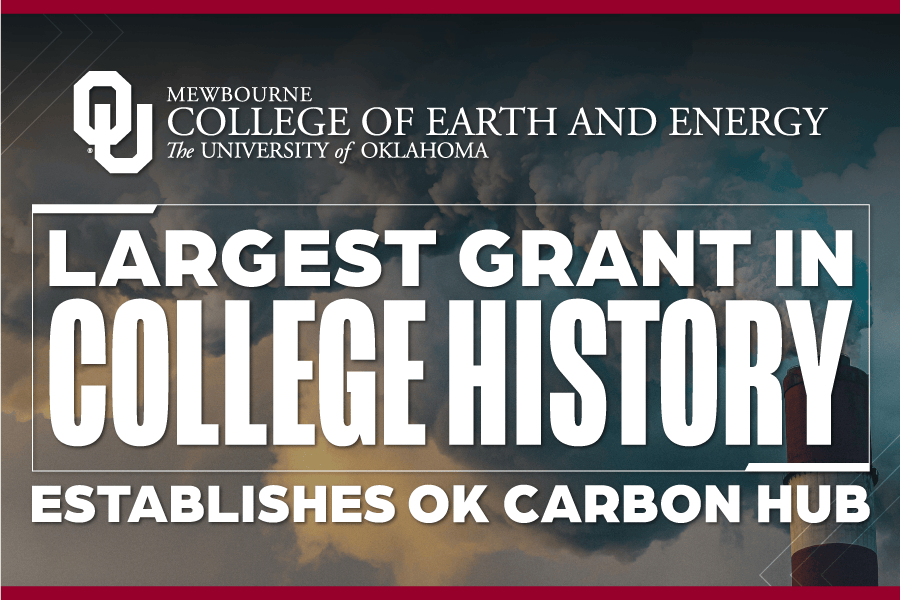
In November, OU’s Melbourne College of Earth and Energy received an $18.7 million grant from the Department of Energy, the largest grant in the college’s history, to establish the Oklahoma Carbon Hub, and researchers will investigate three separate underground storage locations to potentially inject 54 million metric tons of liquefied and highly pressurized CO2 over a period of 20 years (54 million tons may sound significant, but it is a drop in the bucket compared to the 40 billion tons of CO2 pumped into the air globally each year).

Once injected underground, this massive amount of high-pressure CO2 will require constant monitoring for hundreds of years to prevent disastrous leaks and shifts. There are currently three customers committed to providing captured carbon to be stored deep under Oklahoma: the CVR fertilizer plant in Coffeyville, Kansas, the Azure Sustainable Aviation Fuel Production Facility near Cherryville, Kansas, and the Bantam Direct Air Capture facility in Osage County.

I, for one, don’t remember this ever being on the ballot, or even being discussed with the public before proceeding with these plans. Does Oklahoma really want millions of tons of out-of-state CO2 stored under their feet, where future generations will be saddled with the burden of ensuring that the CO2 remains underground?

 A new study concludes that sequestered CO2 must be stored for 1000 years, centuries after the companies collecting on the carbon capture “gold rush” have disappeared from the earth, but the CO2 will remain, and all future generations of Oklahomans will be forced into stewardship of these wells. Put in this perspective, its easy to see how outlandish these endeavors are.

New research has found that existing carbon capture facilities appear to capture almost none of the total emission they release during operation, seemingly cancelling out the carbon that they do capture. A carbon capture project located in Decatur, Illinois, one that the DOE called “the largest demonstration of its kind in the United States”, was recently found to have captured only 10 to 12% of its total emissions each year. The facility, Archer Daniels Midland, was also found to have experienced dangerous leaks last year,

One big question that should be asked is this: what happens when our entire subsurface storage is filled to the brim with CO2? When 50 or 100 million tons are stored under our feet, will it have affected the level of atmospheric CO2 in the slightest? Once we’ve run out of room for captured carbon underground, where will newly captured CO2 be stored? Will the liquefied gas migrate to the surface, threatening the lives of anyone in the vicinity? Will our aquifers or our soil be in danger of contamination? Can this highly pressurized gas cause earthquakes? The questions are almost rhetorical. It seems clear that this is an enormous and dangerous boondoggle, and no one has a right to demand our citizens bear this level of risk.

The massive amount of money being poured into carbon capture appears to be blinding investors and legislators from considering long-term consequences and how this “gold rush” will affect no only present generations, but future generations who will inherit this ridiculous burden.

Unlike other green energy projects, carbon capture has drafted our oil and gas industry into the scam, and they’ve become some of the biggest supporters because they stand to reap the rewards thanks to large increases in the tax credit. To oppose carbon capture in Oklahoma means to oppose the oil and gas industry itself. As more investment pours into Oklahoma-based carbon capture projects, so will be the pressure to expand CO2 pipeline across the state, and the use of eminent domain to fast-track this expansion. The Great Plains Institute has been hard at work promoting the expansion of CO2 pipeline here, and they’ve even created a handy “fact sheet” to see just what might happen if this pipeline isn’t opposed soon.

Carbon capture will be probably the most disastrous “green” boondoggle this state has ever seen. The potential for deadly leaks, where the high-pressure CO2 migrates to the surface and killing everything within the vicinity, as well as aquifer and soil contamination, is enough to reject the industry in toto. The fact that Oklahoma will be expected to act as stewards of these massive reservoirs of CO2 for up to a millennium is laughable.

Carbon Credits, Hydrogen, Kim David And Oklahoma’s Push Into The Green Agenda

Friday, November 15th, our friend Julianne Romanello of Hearts Over Hexagons joined us to talk about Carbon Credits. Check out the full live video – for ALL the information – on Rumble and YouTube.

After finding out that we have the LARGEST CARBON CAPTURE PLANT in the US, I’ve wanted to delve deeper into this phenomenon and find out why in the world people, in red state Oklahoma where trillions of dollars are invested in oil, would want to even entertain such a massive green energy scam.

In the clip below, Julianne explains why carbon would be captured and shipped through pipelines in Oklahoma. Basically, the new economy will run on carbon which is a byproduct of new, ‘clean’ energy offerings – like hydrogen – which is made from natural gas, but producers of hydrogen fuel will have to waste CO2 during processing to say it’s a ‘clean’ energy source. The carbon dioxide created from the creation of hydrogen fuel can be captured and then used to push oil out of depleted shale deposits, or stored for use later as carbon offsets in the new carbon economy.

In the clip below, Michael and Julianne talk about the fact that this WHOLE green deal is about nothing more so than money! Big businesses and rich investors put money into carbon sequestration, hydrogen, wind mills and solar farms infrastructure and their ‘investment’ is pumped up by the added federal dollars found in the Infrastructure Bill and the National Defense Authorization Act of 2021 – all so we can get to net zero carbon emissions by 2050 like the World Economic Form wants! YAY!

According to our own Oklahoma government, Oklahoma produces way more energy than we use – SO WHY ARE WE DOING ALL THIS?

Governor Kevin Stitt. Though we rarely hear about all this green energy nonsense in our local news sources, here’s an article from 2022 when he went – unannounced – to London for the Farnborough Airshow (though probably not on the state plane on which taxpayers have spent over $300,000 in flights that no one seems to be able to get the records for) and spoke about his “all of the above” energy strategy.

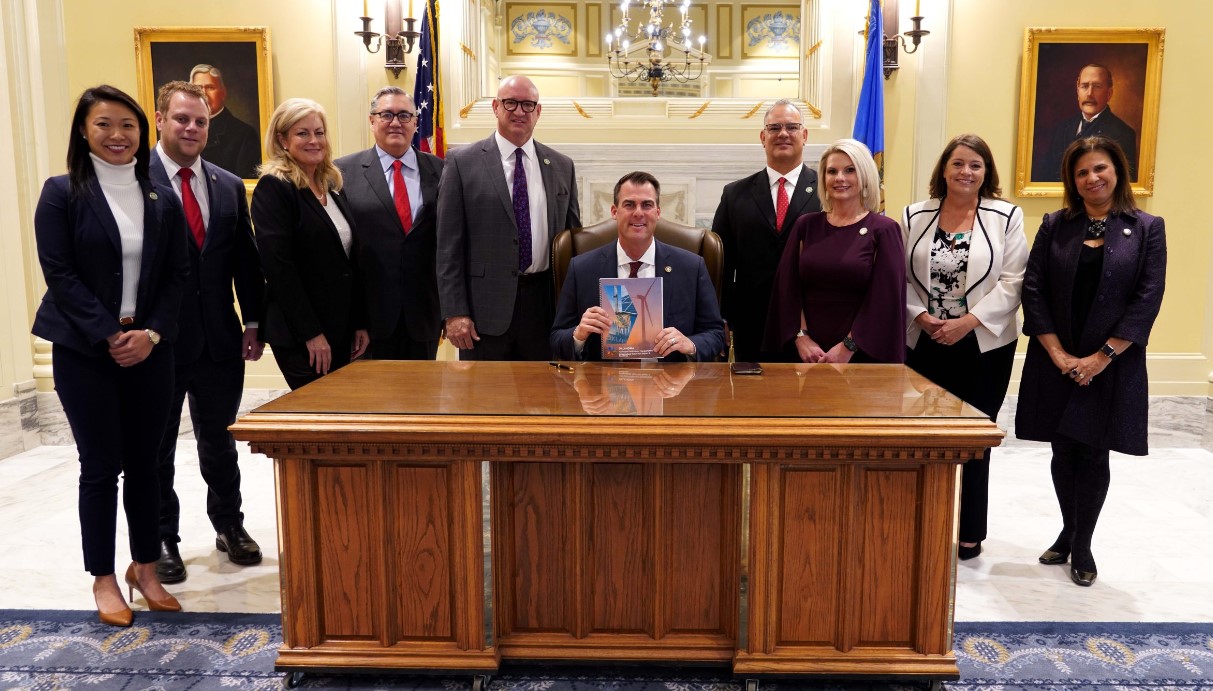
In 2021, then-Senator Kim David, authored SB1021 which created the hydrogen pipeline Task Force (picture above). The Report generated by the task force describes how Oklahoma can create hydrogen fuel via natural gas while sequestering the remaining CO2 in several different ways but mainly in cavities left by the extraction of oil. The report is extensive (112 pp). Here is a paragraph from the Executive Summary:

The OK H2 Task Force recommendations include continued focus on growing a hydrogen energy economy here in Oklahoma, assuring hydrogen fuel is included within existing regulations and legislation similar to compressed natural gas (CNG) and electric vehicles (EV), readying our infrastructure and supporting policies to champion FCEV heavy-duty transportation, fuel production and as a back-up power generation asset, aligning our state’s business and manufacturing friendly taxes and incentives to attract companies that reflect that full value chain within the hydrogen sector, and continue to investigate opportunities to collaborate with neighboring states and federal agencies to grow a competitive hydrogen economy.

Later, the report – from the bill created by a REPUBLICAN and a REPUBLICAN governor – acknowledges that “Hydrogen production from natural gas must be coupled with a carbon capture strategy to meet net-zero carbon emission metrics.”

Just FYI, Kim David was term limited in the Senate, serving from 2010-2022. From the Senate, she ran for Corporation Commissioner with a war chest of over 600,000. Her campaign for CC included donations mainly from oil and gas producers and individuals in oil and gas, as well as attorneys and a large $5,000 donation from NextEra – the company taking farmland for windmills all across Oklahoma, who spends millions of dollars on lobbyists and campaign donations.

David graduated college with a geology degree, but how can she expect to be impartial in dealing with the kinds of situations she must at the CC when she’s been given money by people she’ll have to regulate? Isn’t there something that seems unethical about that? And to add insult to injury, her campaign was run by CAMP and managed by all the people who were employed at the Ethics Commission who left to start Red Bud reporting – a service to help campaigns manage Ethics Commission rules.

Once again, we have to watch these so-called Republicans and their love of the Green New Deal. We do not want that here, but the only way to make that clear, is to let our Representatives and Senators here in the state know and stay on them to keep any more Green energy legislation from passing. Oklahoma has abundant natural gas, and new ways to extract oil are being found every year. The reddest state in the nation should NOT be playing the carbon credit games under any set of circumstances!

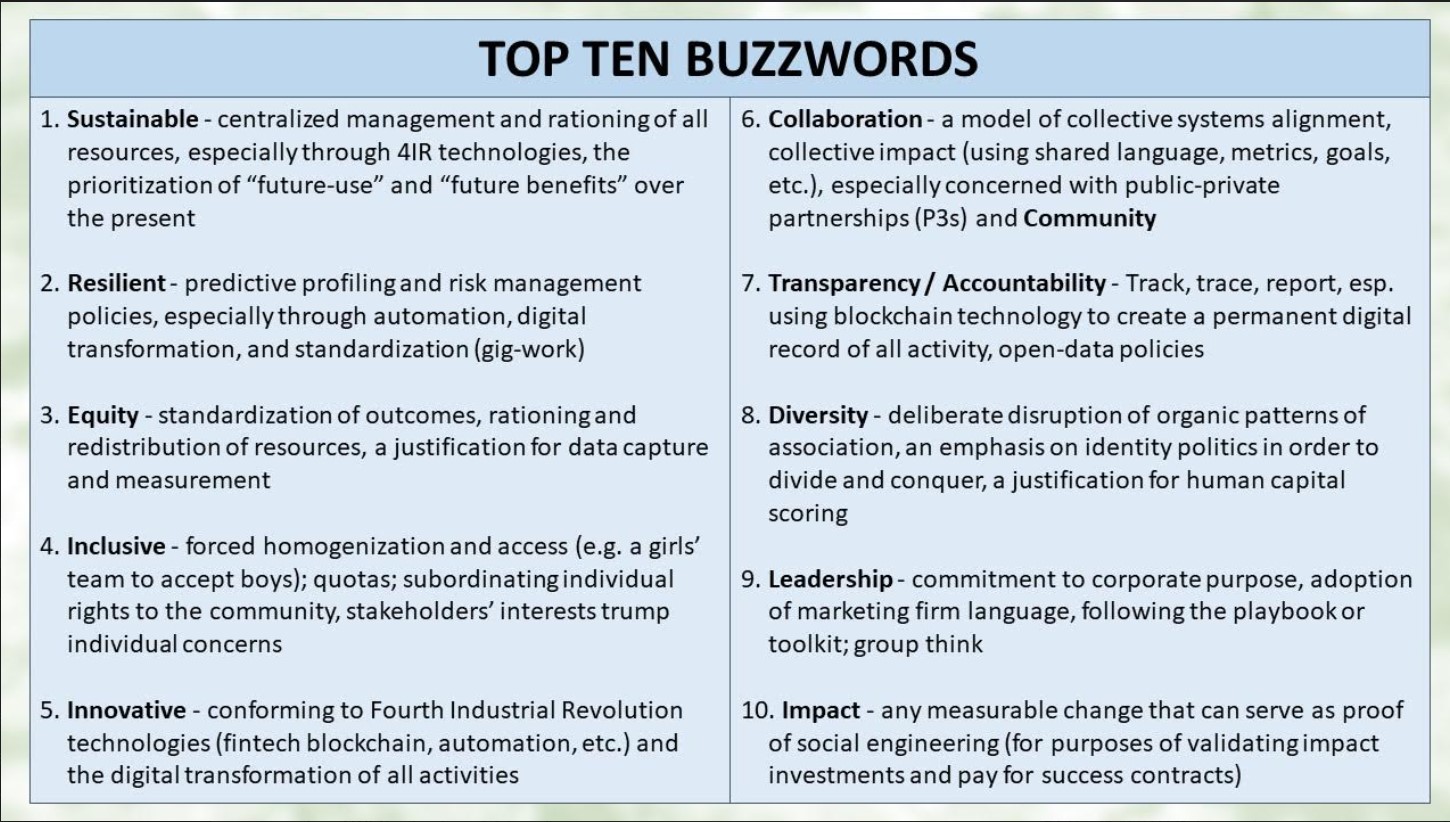
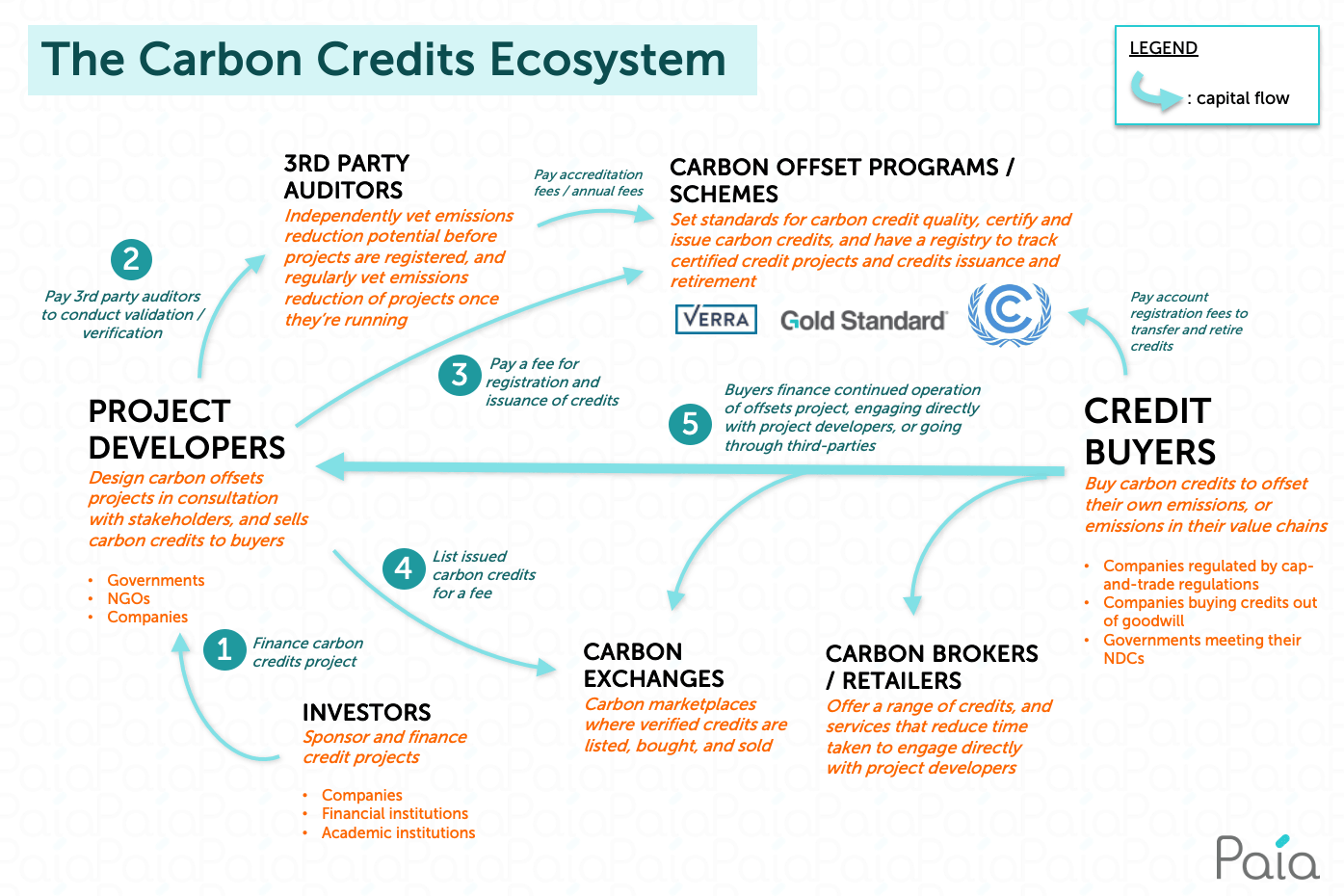
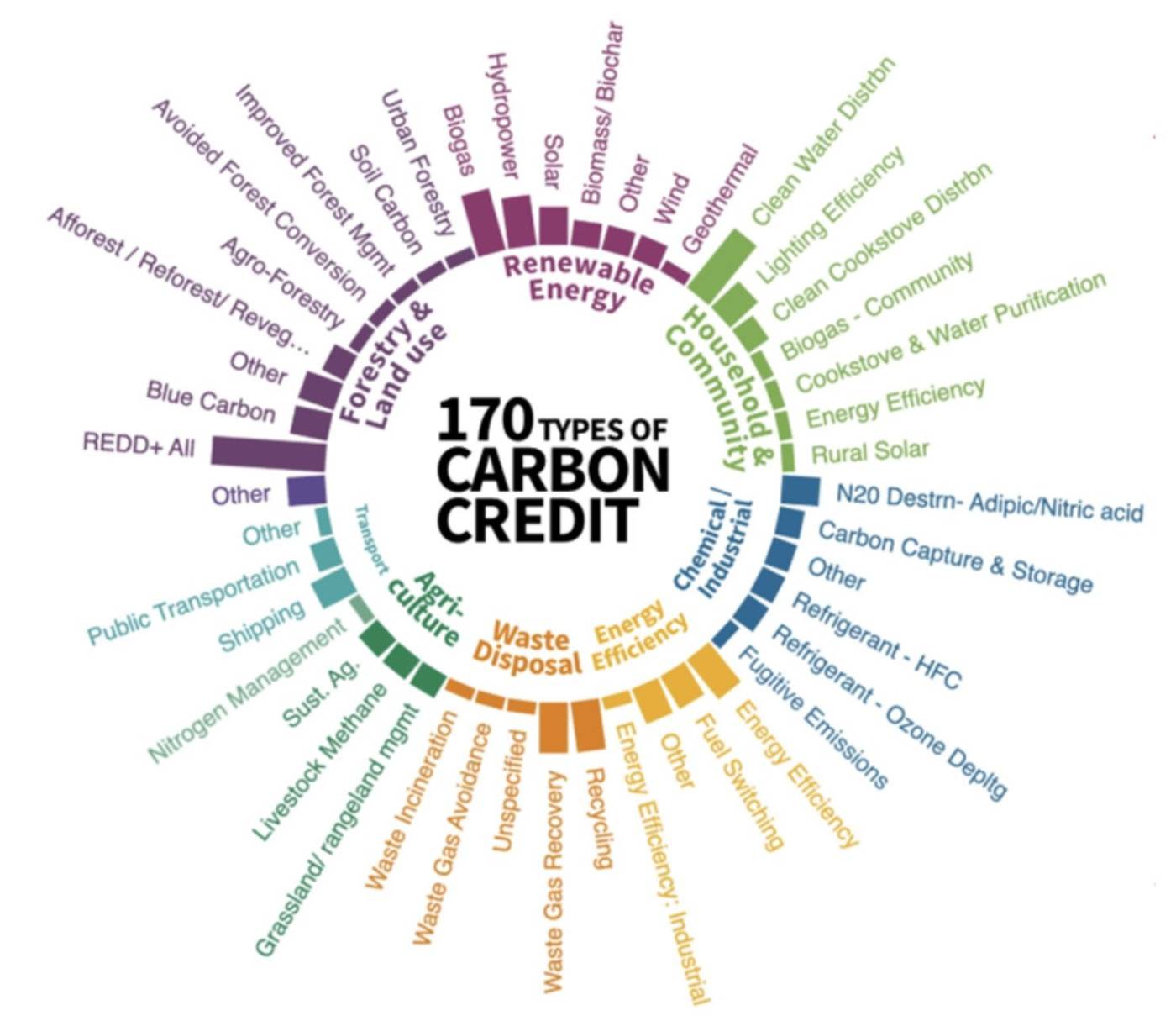
By the way, here is the list of buzzwords, Julianne talks about in the video. We ALL need to MEMORIZE these!

Did You Know? The Largest Carbon Capture Plant In The US Opened In Oklahoma, August 13th – Part 1

Shane Smith and Jenni White

August 13th, the largest DAC (direct air capture) plant in the United States opened in Shidler, Oklahoma. Not merely the largest in the nation, but the second largest in the world.

Dubbed Bantam, this facility is a project of Colorado-based Heimdal, Inc., and is located at the CapturePoint Carbon Hub in Osage county in northwest Oklahoma. The facility itself will allegedly remove 5,000 tons of CO2 every year which will be permanently stored in underground facilities being developed by CapturePoint.

This project is just one of many that have emerged since the passage of the Inflation Reduction Act of 2022, which increased the 45Q carbon sequestration tax credit (initially added to the tax code as a part of the Energy Improvement and Extension Act of 2008) for every ton of CO2 stored from $50 to $85.

A chorus of Oklahoma Republicans praised the new project, with governor Kevin Stitt stating, in a post to Heimdal’s LinkdIn page:

Other Republicans who spoke highly of the new facility include Senator Markwayne Mullin, Congressman Frank Lucas, lieutenant governor Matt Pinnell, and House Speaker Charles McCall.

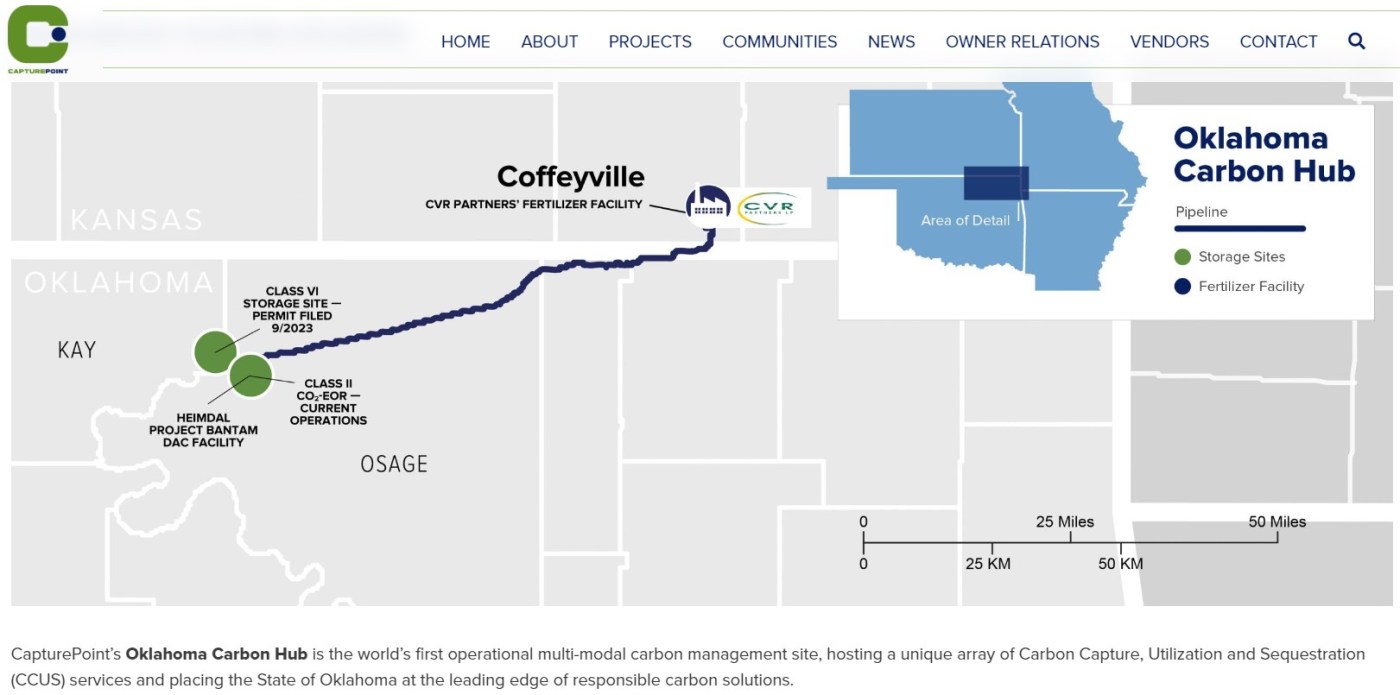
According to CapturePoint’s website, the company owns and operates on 6,900 acres, but has contracted rights to 10,000 acres in Oklahoma for use as carbon storage space. CO2 is transported from CVR’s facility in Coffeyville, Kansas, via a 68-mile pipeline to CapturePoint’s Oklahoma facility for storage. 

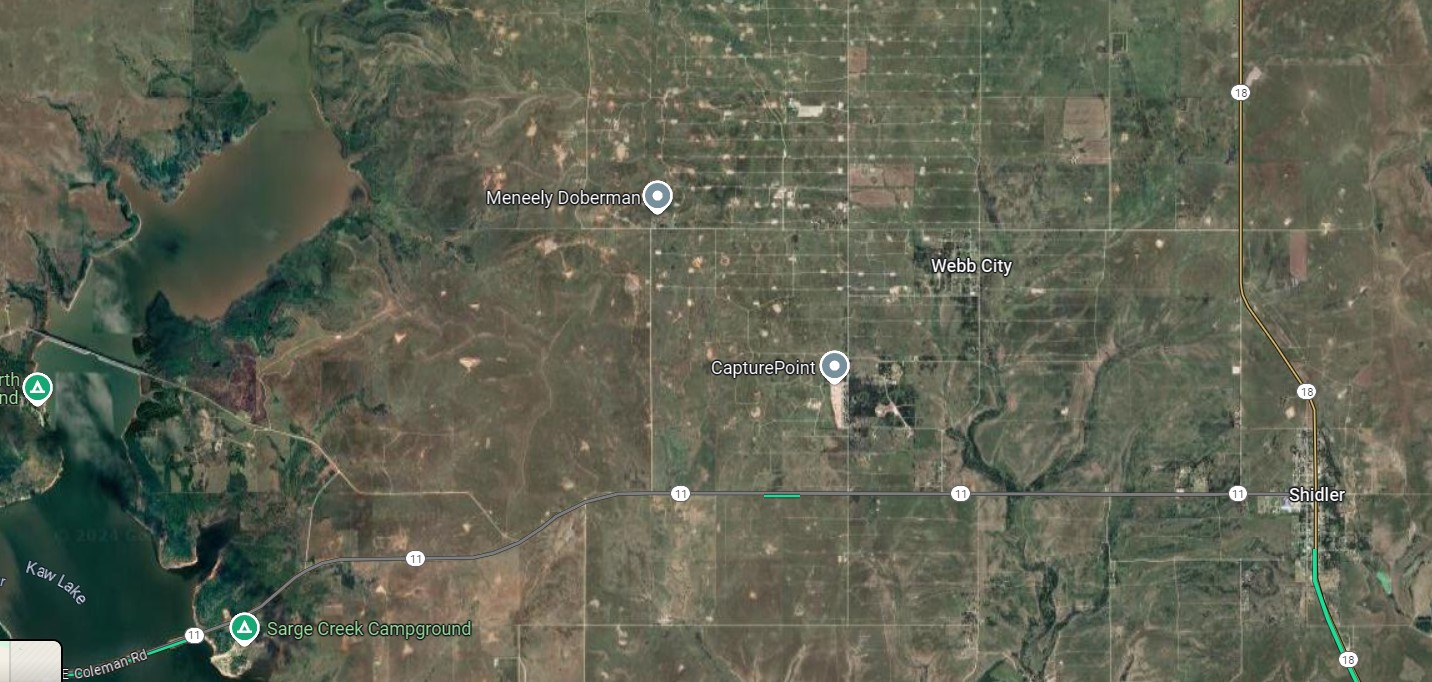
Below is a Google map of the area showing the CapturePoint facilities in relation to Kaw Lake and the city of Shidler. (C02 + H2O yields H2CO3, carbonic acid)

Despite the fact that no local news sources covered the opening of the nation’s largest carbon capture plant and that subsequent information can only be gleaned from industry magazines, Oklahoma’s leaders have been deeply involved in making this state a home for the carbon capture and sequestration industry for some years now.

Our oil industry has been using CO2 for enhanced oil recovery since 1982.

In 2009, our state passed the Oklahoma Carbon Capture and Geologic Sequestration Enhancement Act, which set the stage for permanent storage of CO2 in Class VI wells deep under our state.

In June of 2018, then-governor Mary Fallin signed onto The Governors’ Partnership on Carbon Capture.

In October of 2020, current governor Kevin Stitt signed the “Regional Carbon Dioxide Transport Infrastructure Action Plan”, along with Kansas, Louisiana, Maryland, Montana, Pennsylvania, and Wyoming. The signatories to this plan entered into a “Memoranda of Understanding”, committing to jointly develop “the buildout of regional CO2 transport infrastructure”. According to document, “the vision of this memorandum is to accelerate, through state leadership and coordination, the deployment of regional CO2 transport infrastructure networks and the development of carbon hubs…”

On March 19th, 2021, Stitt was among several other signatories to a letter addressed to Congress in support of the SCALE (storing CO2 and lowering emissions) Act, which set the stage for a massive expansion of CO2 pipeline throughout the country. 

Last year, the Oklahoma legislature released SB200, Oklahoma Carbon Capture and Geological Sequestration Report. This report attempted to inform legislation eventually created via SB200 (Boles, Rader) regarding jurisdiction of dangerous class VI injection wells, yet according to a statement submitted by the Petroleum Alliance, “It is unclear if projects for direct air capture and sequestration are allowed under the Oklahoma Carbon Capture and Geologic Sequestration Act.”

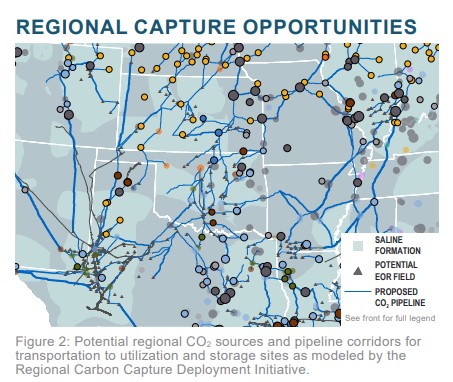
With the opening of the Bantam facility, it appears that Oklahoma is set to see an explosion of investment and build-out of CO2 pipeline throughout our state. At the Great Plains Institute website, in a document entitled, “Implementing Carbon Capture and Storage Technology”, the Institute provides a map of Oklahoma with potential CO2 pipeline corridors that crisscross our state like a spiderweb, transporting the liquified carbon dioxide.

But is this what Oklahomans want? How many residents know what carbon capture is, let alone that the world’s second largest carbon capture facility is located in their state? How would they feel if they found out?  Capture point is seeking permits for an additional two class VI (CO2 sequestration) wells in the area – one would think that eventually nearby residents would want to know that something so dangerous is near to them and Kaw Lake now, with the possibility of more to come.

These pipelines are far different from the more familiar oil or natural gas pipelines, in that the CO2 being transported must maintain immense pressure. To transport carbon dioxide via pipeline, it must first be compressed into a liquid state, known as “supercritical CO2”. This requires up to 3000 psi of compression, which, as you can imagine, is extremely dangerous. The CO2 must maintain this compression as it travels through the pipeline.

Because of this immense transmission pressure, CO2 pipelines run the risk of “running ductile fractures”, where an initial rupture creates a chain reaction as escaping CO2 converts to a gas, rapidly opening a tear along the pipe at 100 meters per second. CO2 is heavier than air. Should the pipeline rupture, any released CO2 will settle on the ground, sucking the oxygen from every living thing in the vicinity, just like it did to the people of Satartia Mississippi last year.

Could these pipelines withstand an earthquake or other unpredictable accident? What is the protocol for cleaning up a massive CO2 leak? How will first responders get close enough with their equipment to seal the leak and clear the area of the dangerous gas?

The Biden administration seems to think that a simple increase of the 45Q tax credit will magically jumpstart a green revolution, with the oil and gas industry leading the way. But, perversely, this subsidy has drafted Big Oil into the Green Agenda, with Oklahoma actively seeking to place itself at the forefront. 

An analysis by Taxpayers for Common Sense found that, from 2010 to 2019, 90% of 45Q tax credits were based on fraud. Do we have any reason to believe that this level of fraud won’t continue in expanded form as greater numbers of these facilities are built across our state?

A 2021 article from FORBES denotes no less than 6 taxpayer green boondoggles funded by American taxpayers. But then Oklahoma need look no further than Canoo – a troubled electric vehicle company to which Governor Stitt gifted 15 million Oklahoma taxpayer funds to locate to Oklahoma, only to have them struggle against bankruptcy, unable to fund themselves, let alone return an investment to the state.

Several questions need to be asked: Should Oklahoma really become a dumping ground for out-of-state CO2? How much land would be enough to even make a small dent in the amount of CO2 produced yearly? Even if a DAC facility functioned as intended, it would remove only an insignificant fraction of CO2 from the environment. The CO2 itself, once moved to a permanent underground storage, would need to be monitored for centuries to ensure that it doesn’t leak back to the surface. Who will bear liability, should the carbon dioxide leak to the surface?

A 2022 report by the Institute for Energy Economics and Financial Analysis found that these facilities fail far more often than succeed. Of the 13 carbon capture facilities examined, seven underperformed, two failed, and one was abandoned entirely. 

In a later report, the Institute for Energy Economics and Financial Analysis found that the premier Norwegian CCS facilities, the ones used to justify much of the push for expanded carbon capture, experienced significant anomalous CO2 storage behavior that could have led to a disastrous gas leak. This directly contradicts the rosy predictions of Bantam and CapturePoint’s press releases and statements from their supporters.

Another point of concern is whether these carbon capture facilities are generating more CO2 than they capture, completely undercutting the stated reason for their existence. Has this been a concern at all among the supporters of this subsidy-created gold rush? Several analyses have found that the process of capturing carbon, liquifying it, and either transporting, storing, or using it in enhanced oil recovery actually produces more CO2 emissions than it captures. 

Another question is: how much land is enough? As money continues to flow into the carbon capture industry, more land will continue to be permanently taken out of use in order to build more facilities. But it will never be enough. The International Energy Agency found that 32 billion metric tons of carbon dioxide would need to be removed from the atmosphere yearly in order to prevent global temperatures from rising a mere 1.5 celsius. It’s an impossible goal that our leaders are apparently ready to sacrifice much in a vain attempt to reach.

Tens of thousands of acres have already been scooped up by the carbon capture industry. When our leaders finally admit that atmospheric CO2 removal has been a massive, enormously expensive boondoggle, how will these carbon hubs and wells be disposed of? Is it even possible to do so safely? 

Our children and grandchildren will be forced to clean up the mess created by the futile attempt to “capture” carbon and store it. Why is our state intent on placing this burden on its future generations? Why not a nuclear reactor facility instead of carbon capture? Why not something that directly benefits the people of our state? There’s nothing more “green” than nuclear power, so why the push to instead make our state a reservoir for CO2? 

Carbon capture is a costly dead end. We need to force our leaders to realize it before its too late.

More to come…

Blog at WordPress.com.

Up ↑