
Search

ROPE Report

Category

Legislation

This Week At The Capitol, Legislators Dick Lowe and Danny Sterling UNprotect Students With HB1937

Wednesday, February 19th, Michael and I welcomed back our friend ‘Mary’ with V1SUT to talk about a couple of items. Check out the full LIVE video on our YouTube and Rumble channels. We always have some great discussions and the only way to catch those is watching the full video.

First, we talked about the fact that – with the onset of DOGE – we’re learning how USAID has funded billions of dollars in research and social activism to undermine the Republic and the way citizens think about America.

One of the ways this has occurred is through the financing of grants to organizations such as Oklahomans for Equality which has then used the funds to push out messaging and other support for LGBTQIA+ issues in Bartlesville. Mary has written several articles about the influence of this group on the town and how this has effected residents. So controversial has been their methodology, that Bartlesville’s last city council elections saw 3 out of 5 city councilman ousted by the citizenry over the issue of allowing public drag shows sponsored by Oklahomans For Equality.

Mary’s blog on the topic at V1SUT Substack is quite good. You should check it out.

We also discussed HB1937 a bill to essentially undo the bill written last year (HB3958) by Sherrie Conley that prevents public school employees from having conversations with students through any medium without a parent present on the thread to overwatch.

Chairman and Vice-Chairman of the House Common Education Committee, Dick Lowe and Danny Sterling (respectively) wrote HB1937 because they believed it was too cumbersome for parents and coaches to have to see every conversation with students, essentially UNprotecting students. The bill passed the Common Education Committee 8-5 with the Speaker of the House voting.
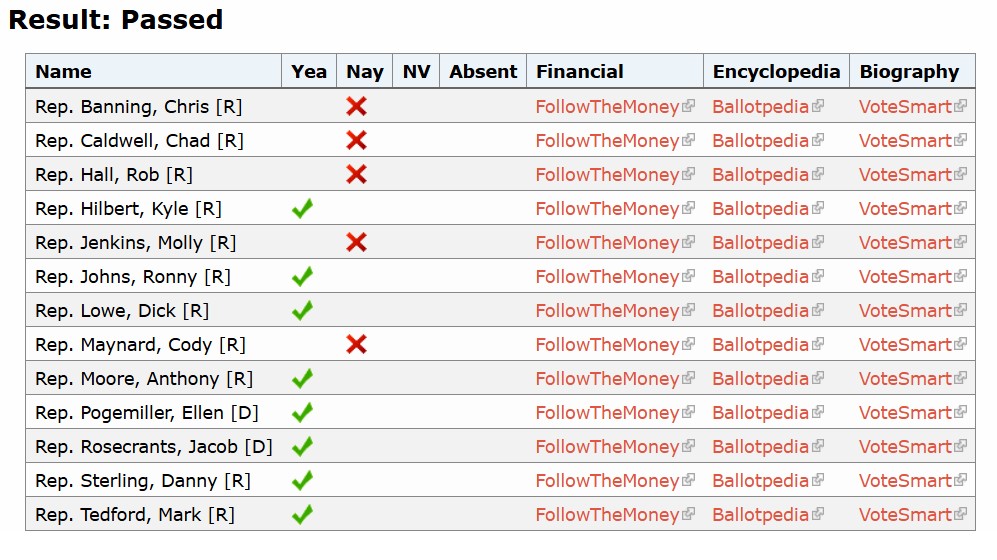
Take a very hard look at who voted YES WITH THE DEMOCRATS. Below, Mary talks more about the bill and the vote and how this bill puts children at risk because parents may feel pressured to opt out, leaving their kid unprotected. Lowe and Sterling appear to be more for the status quo than protecting kids.

In the video below Mary talks about how educators are doing a great job at covering for other educators, but not protecting children – which is really their FIRST RESPONSIBILITY. Mary also mentions that maybe one or both Sterling or Lowe had been involved in ‘passing the trash’ before, as she asked them for a comment on that very issue and neither responded. Find out more in her Substack.

This bill has yet to have a hearing in the Education Oversight Committee, but those are ad hoc committees that only require a 24 hour agenda notice (for some reason), so PLEASE, email the members of the Education Oversight Committee and ask them to VOTE NO on HB1937.

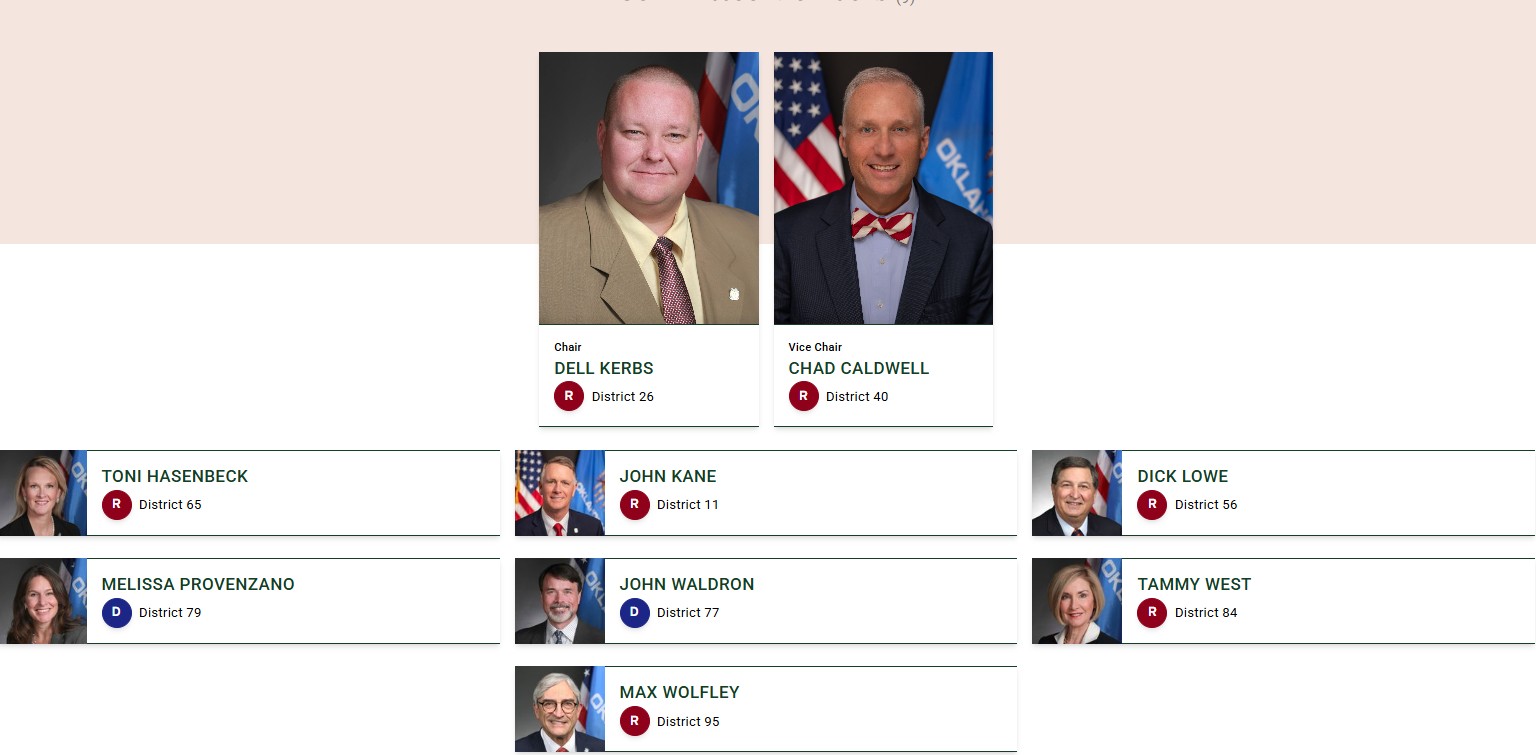
Rep. Kerbs, Chair (R) District 26

Rep. Caldwell, Chad Vice-Chair (R) District 40

Rep. Hasenbeck, Toni

Rep. Kane, John

Rep. Lowe, Dick

Rep. Provenzano, Melissa

Rep. Waldron, John

Rep. West, Tammy

Rep. Wolfley, Max

Copy and paste the block below into your email ‘to’ line.

dell.kerbs@okhouse.gov, chad.caldwell@okhouse.gov, toni.hasenbeck@okhouse.gov, john.kane@okhouse.gov, dick.lowe@okhouse.gov, melissa.provenzano@okhouse.gov, john.waldron@okhouse.gov, tammy.west@okhouse.gov, max.wolfley@okhouse.gov
Jason Murphy Divulges The ‘Scam’ That Runs The Oklahoma Legislature

Former member of the Oklahoma House of Representatives, Jason Murphy, joined Michael and I on the podcast Wednesday, 2.12.25 for a discussion on legislative procedure. You can find the full live video on YouTube and on Rumble.

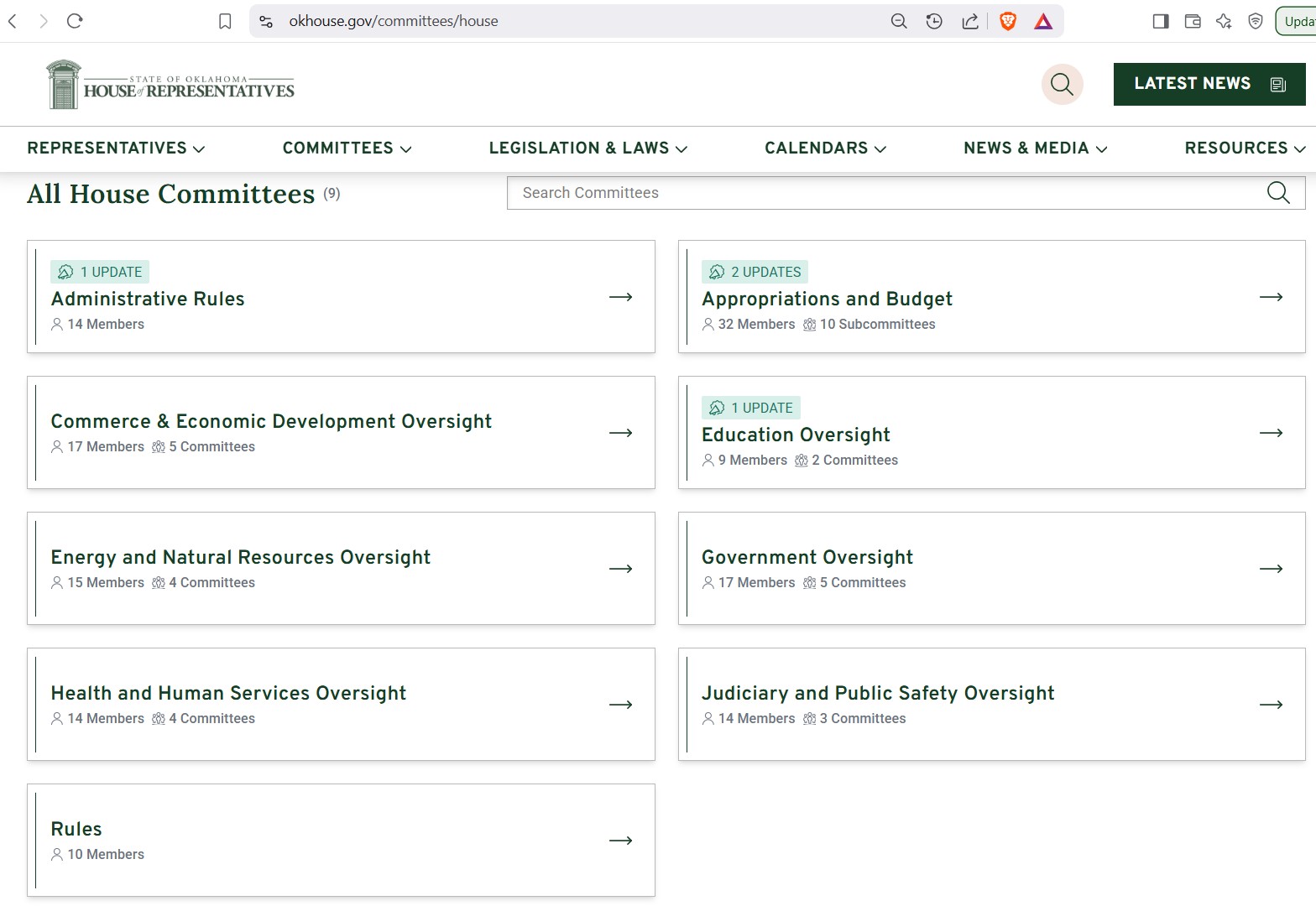
This year, the House has instituted a new way of doing things. Instead of going to ONE Committee for a hearing, there are now TWO Committees a bill must pass through before moving to the floor for a vote of all Representatives.

It used to work something like this for both Senate and House – I’m going to use an education bill since that’s what I’ve worked on forever:

A bill was introduced – that bill was assigned to the Common Education Committee – the members of the Committee voted yes or no – a bill voted out of the Committee with a majority went to the Floor Leader who scheduled it on the Floor (for all legislators to hear) calendar – the bill was brought to the Floor where it was voted on – the bill then moved to the other house to start virtually the same procedure over again.

This is not the way the procedure in the House works this year. Since the election of the youngest Speaker in House history, Kyle Hilbert, things have been different.

Now, if the members of the Common Education Committee pass the bill, the bill goes to an OVERSIGHT Committee who hears the bill. Then, if the bill passes out of Committee, it can go to the Floor Leader who can determine to hear the bill on the floor.

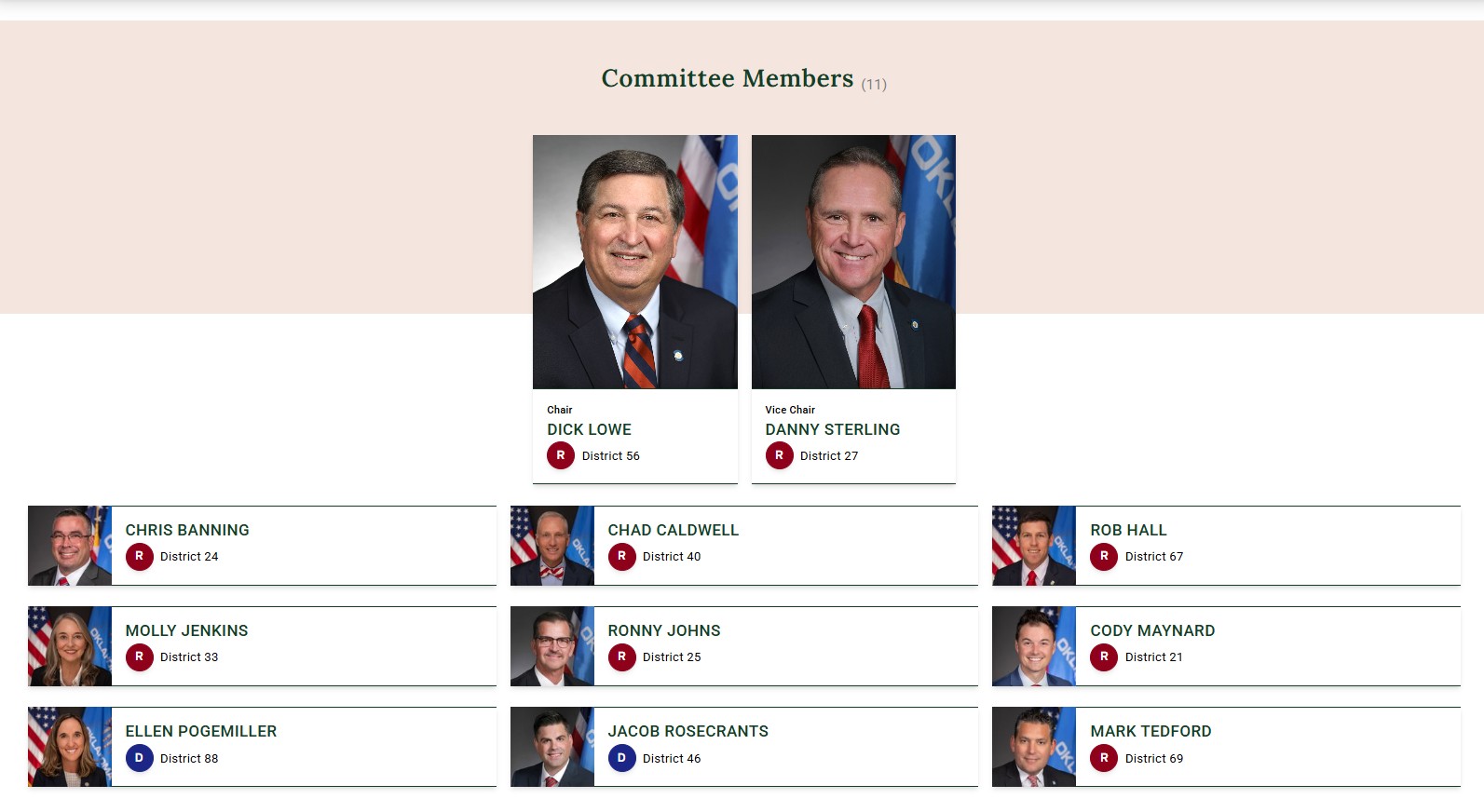
Now, let’s look at this. Below are the members of the Common Ed Committee.

These are the members of the Education Oversight Committee.

Are you going to remember those names? Well, you’d better, because if you want to call the members of a Committee to make sure they vote a certain way on a bill, now you’ll have to call members of TWO Committees.

This was all instituted as a way to make the process of a bill becoming a law in the House more transparent, but so far, I’ve had a terrible time trying to make heads or tails of it and I’ve been watching legislation nearly 15 years.

I argue (and so does Jason), that it makes the process LESS transparent than before.

Stop and think. How many times does leadership have the opportunity to kill a good bill and pass a bad one? LOTS.

  • The leadership chooses the Chairs of the committees
  • The leadership assigns the bill to a committee – to what committee the bill is assigned makes a difference
  • The Chair decides what bills are heard in his/her committee – and that happens TWICE. A Chair doesn’t have to hear a bill in the first committee and the Chair of the second committee doesn’t have to hear a bill even if it’s passed out of the first committee
  • The leadership picks the Floor Leader and the Floor Leader can determine whether OR NOT a bill is heard on the Floor of the House (or Senate)
  • Even if the bill is voted in the affirmative by the Representatives in the House, it might not be assigned to a committee on the senate
  • and then the whole process starts over

Where do The People fit in here? Jason tells us…

…we’re the ones getting ‘scammed’.

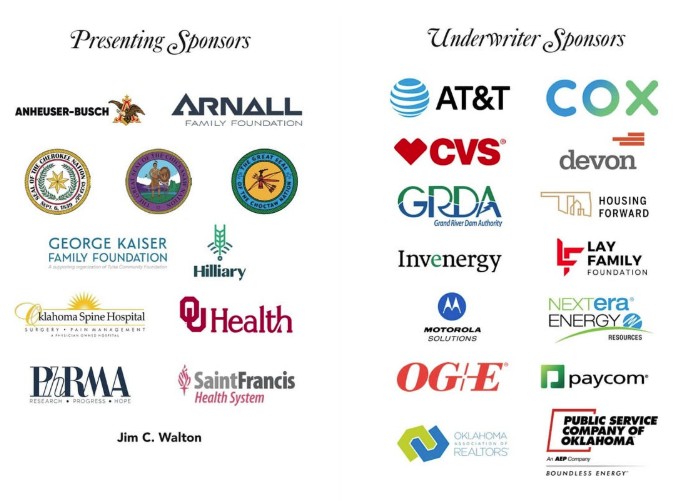
Nope, I don’t like it any more than you do, but this has been the way of the legislature for as long as I can remember. It’s a scam. It’s meant to make us think we have some control, but it’s not ‘by the people, of the people, for the people’, it’s ‘by the lobbyists and big business, of the lobbyists and big business ‘for the lobbyists and big business’. We have only to look at those who sponsored this year’s Speaker’s Ball to get a good idea of who rules the roost.

So how do we fix this? We band together and GET GOOD PEOPLE ELECTED WHO WON’T FALL FOR THE SCAM. There is no other way. There just isn’t. But then, once we get them elected, we need to stay on them like white on rice to make sure they’re not falling for the SCAM!

True, it’s work, but Benjamin Franklin once famously said to a woman on the street in Philadelphia who asked him what form of government the Continental Congress had created for the country, “A Republic, ma’am. If you can keep it.”

Community Schools Are The Marxist Solution For Oklahoma Schools – Vote NO on HB1467 by West

Wednesday of this week (2.12.25) Representative Tammy West’s bill to “authorizing the State Board of Education to assist in establishing Community School pilot projects” is once again being heard in the Common Education Committee.

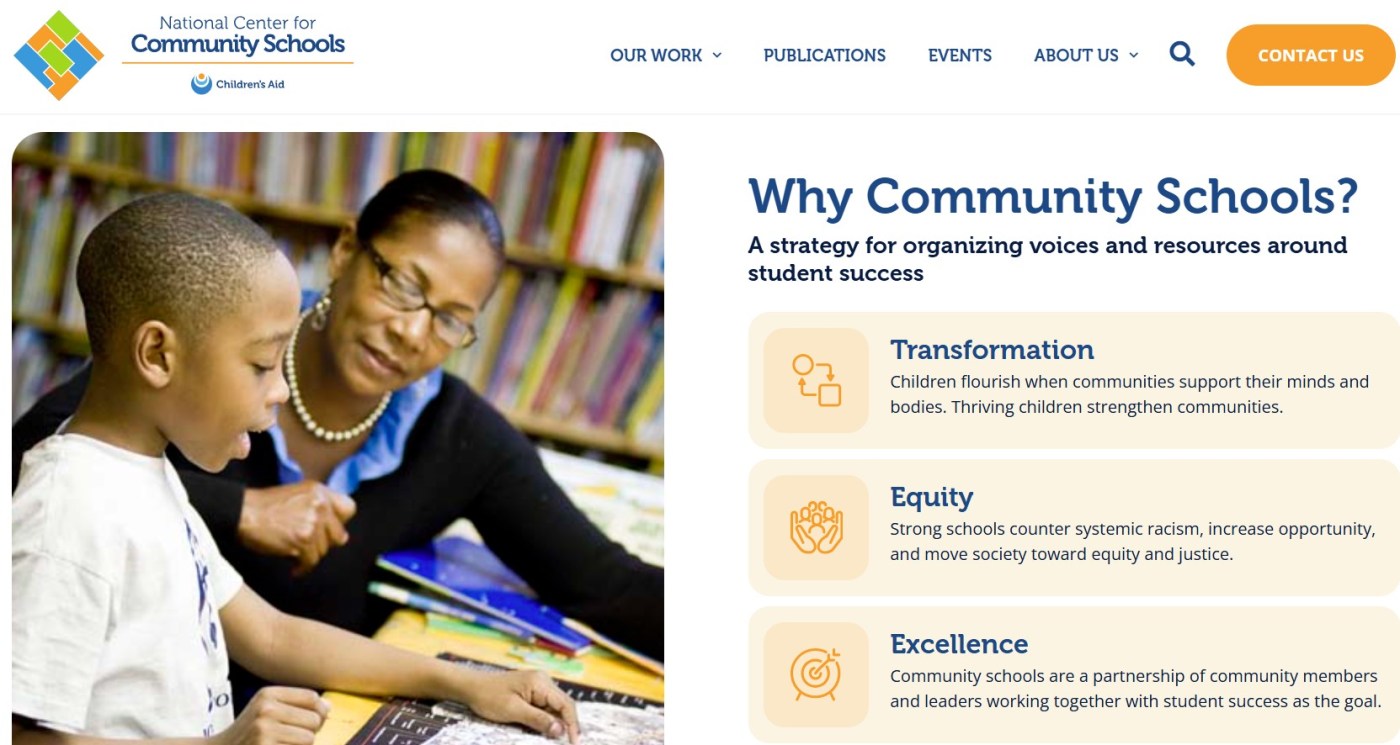
This is a national move to create schools that are all things to all parents – they would include everything from health care to psychological counseling. Here is a screenshot from the front page of their website.

Below is a one-pager I wrote when this bill first came up in 2022. In fact, that should say something in and of itself. Representative West keeps introducing this bill and it keeps getting voted down. Is it because our schools are already socially Marxist? Why does she keep bringing this up?

But then what do we know? When we wrote to the Common Education Committee members to ask them to vote against the bill, Former Senate author for West (and no longer in the senate) Dewayne Pemberton, assured members that he had been to a Community School in Tulsa (which made one of our points by the way) and that he hadn’t seen Karl Marx hiding behind the shrubs.

What Are Some Concerns With Community Schools?

HB3374 – Tammy West and Pemberton (Senate) – Community schools; authorizing the State Board of Education to assist in establishing community school pilot projects

(2025 BILL IS HB1647)

1.  President Obama placed Full Service Community Schools into the Elementary and Secondary Education Act in 2016.  They are called “full service” schools because they provide every need for a child that a family/parent would including education, counseling services, healthcare and nutrition. (https://www2.ed.gov/programs/communityschools/index.html)

2. The Biden Administration provided grants for Full Service Community Schools programs (https://oese.ed.gov/offices/office-of-discretionary-grants-support-services/school-choice-improvement-programs/full-service-community-schools-program-fscs/) through President Obama’s reauthorization of ESEA – the Every Student Succeeds Act. 

3.  There are two national organizations which help support the Community Schools model – Community Schools (communityschools.org) and the National Center For Community Schools (nccs.org)

            a. Community Schools have an agenda called “Policy by The People” the tenets for which they are lobbying Congress (https://www.communityschools.org/wp-content/uploads/sites/2/2021/01/2021-01-13_IEL_PolicybythePeopleagenda_FINAL.pdf).  Here are a few points from their agenda which essentially involves expanding government programming and funding of every service involving children:

                        – Prioritization of populations that have historically experienced systemic racism, discrimination, and/or disinvestment

                        – End the school to prison pipeline/school pushout crisis through stronger enforcement of civil rights protections and incentives for a restorative approach including restorative justice, trauma-informed practices, and hiring additional school counselors, social workers, and psychologists

                        – Raise the minimum wage to $15/hour and/or establish a universal basic income

            b. National Center For Community Schools follow three principles: Transformation, Equity and Excellence.  The ‘Equity’ portion of the website says the following:  Strong community schools counter systemic racism, increase opportunity, and move society toward equity and justice.  Too many children are expected to overcome structures designed to diminish them. Schools should model anti-racism, not perpetuate systems that divide us and limit opportunity.  We want students to feel not just welcomed, but valued for their race, religion, identification, origin, family, and community.

4.  Community Schools follow the model proposed by John Dewey (a socialist with Marxist views often considered the father of modern education) of a ‘democratic school-based social center’ where the school provided every possible need for students.  An article in the AFT’s American Educator Magazine in Summer of 2009 – “The Enduring Appeal of Community Schools” – provides a quote from Dewey’s 1902 address, “The School as Social Centre”, “The conception of the school as a social centre is born of our entire democratic movement. Everywhere we see signs of the growing recognition that the community owes to each one of its members the fullest opportunity for development.”  This, a quote which can’t help comparison to the quote of Marx, “From each according to his ability, to each according to his needs”.

5.  Enshrining a Community Schools pilot program in law while allowing the OSDE to create rules for that program is a recipe for creating further progressive, leftist inroads into the education of our children.

6.  Oklahoma communities HAVE BEEN creating their own Community Schools independent of state law.  The only reason to pass a state law, then, would be to allow the growth of the Community Schools movement throughout Oklahoma and provide the necessary validation for the Federal Government to provide tax dollars for these schools.  Federal/State tax dollars should NOT be provided for socialist, progressive education efforts in this country, let alone this state.


Please write the members of the Common Education Committee and ask for their NO vote on HB1467 by West. Just copy and paste the block of addresses and put them into your ‘to’ field.

dick.lowe@okhouse.gov, danny.sterling@okhouse.gov, chris.banning@okhouse.gov, chad.caldwell@okhouse.gov, rob.hall@okhouse.gov, molly.jenkins@okhouse.gov, ronny.johns@okhouse.gov, cody.maynard@okhouse.gov, ellen.pogemiller@okhouse.gov, jacob.rosecrants@okhouse.gov, mark.tedford@okhouse.gov

Law Enforcement Use Of ‘FLOCK’ Camera Surveillance in Oklahoma Does Not Protect Our Constitutional Rights

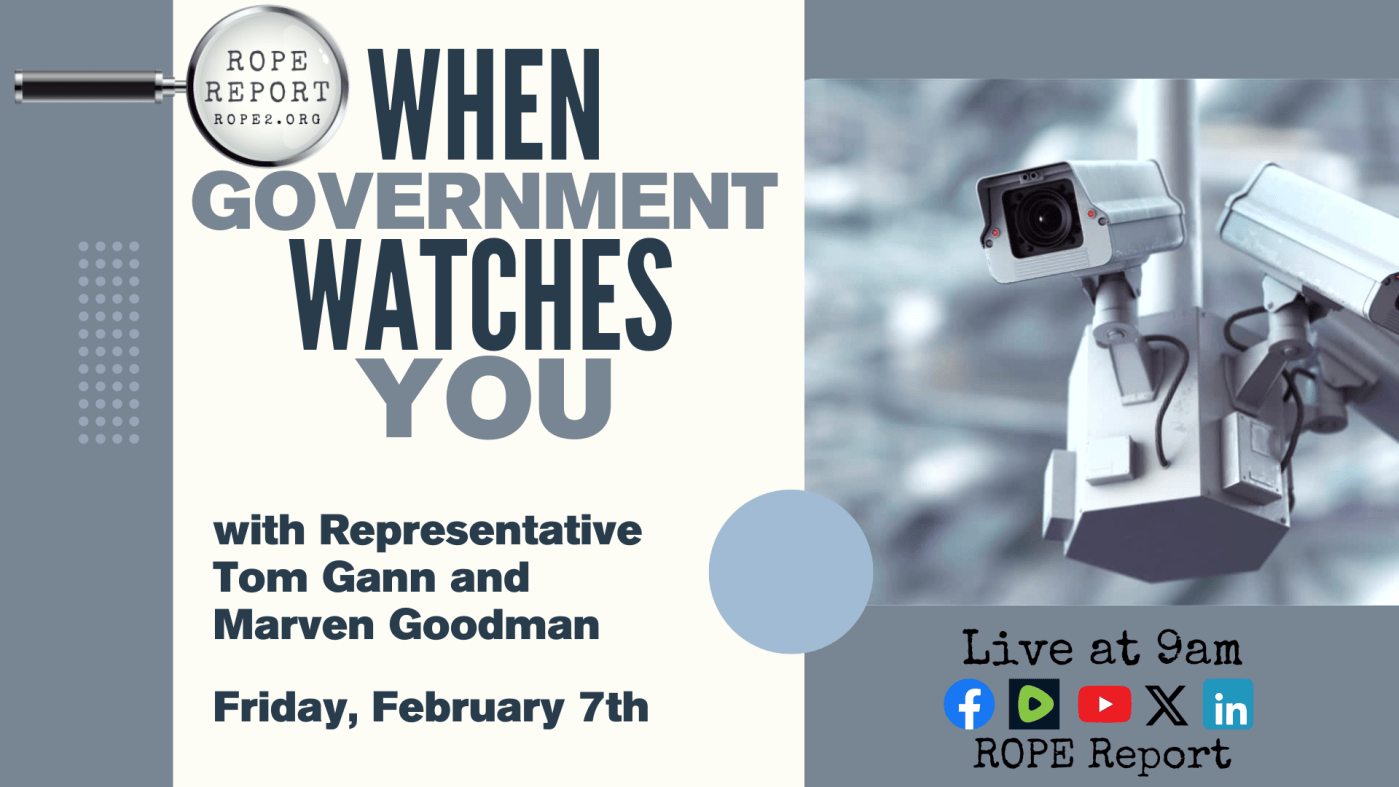
Friday morning at 9am on the regular ROPE Report podcast, Michael and I welcomed Oklahoma Representative Tom Gann and former Logan County Commissioner, Marven Goodman, to talk about law enforcement surveillance of Oklahoma citizens through Automatic License Plate Readers (ALPRs). This is a HUGE topic, as there are two bills in the legislature this session that need to be stopped – SB857 and HB1626.

During October of last year, Gann and Goodman discussed the problems with Automatic License Plate Readers (ALPRs – of which the brand Flock Safety – is probably the best known) at an Interim Study which Michael and I and our friend, Whitney Mullica from PikeOffOTA discussed via podcast, which you can find here. During that Interim Study, the video below was included. I am including it here, because so many people say things like, “If I’m not doing anything wrong, what does it matter?” They don’t realize exactly what can happen to them if they’re surveilled. Well, this man, who was simply traveling through Oklahoma did nothing wrong and yet he was pulled over and subjected to questioning and even a warrantless search by the law enforcement officer (LEO) that conducted the stop.

Hopefully, after that short – but painful – video, you now understand the reason why ALPRs are not a viable way of policing if citizens are to keep their Constitutional rights intact.

But it’s more than that. In Oklahoma, the use of ALPRs followed the genesis of a state law that required Oklahomans to buy uninsured motorist insurance. Rep. Gann and I discuss this fact in the clip below.

So why were Oklahomans required to buy ‘uninsured’ motorist protection? We’re 28th in Oklahoma in uninsured motorist coverage EVEN WITH the cameras, so what’s the point? Maybe a revenue stream for the Oklahoma District Attorney Council (ODAC)? According to Rep. Gann, the ODAC got ‘tired’ of coming before the legislature to seek funding and utilizing ALPRs to catch people without uninsured motorist coverage provided funding outside the legislative appropriation process – a process that also provides transparency for Oklahoma taxpayers that this group now DOESN’T HAVE.

But it gets worse – LEOs aren’t even legally allowed to use ALPR data the way it was used in the traffic stop above. How is it that a law enforcement agency is using technology illegally? Kind of smarts the sensibilities a bit, doesn’t it?

In the final video clip I’m going to add here, Rep. Gann points out that he’s asked how LEOs can be using this data illegally, but he gets no answer. In addition, even if a LEO does find a crime using this technology, NO PART OF THE DATA CAN BE USED IN COURT because we don’t have laws in Oklahoma that allow LEOs to collect the data in the first place. In fact, the man in the first video, sued Oklahoma and won because of that reason.

Rep. Gann and Michael talk about the Carpenter case – where cell phone data was collected by LEOs on a citizen and used against him. He then sued the government and won in the Supreme Court because this kind of tracking via technology is a violation of so many of our Constitutional rights to privacy.

This technology is also used to capture data that is then provided to OTHER LAW ENFORCEMENT entities other than the one by which it was collected. So, for example, the City of Edmond collects data from ALPRs and stores the data, which can the be used by the ATF, or another state, or the FBI or the CIA – it’s ridiculous how many agencies can be allowed to see/use the data when it’s not even lawful to collect that data on residents in the state! Often, law enforcement entities – like Edmond – refuse to release the lists of law enforcement agencies using their ALPR data to the citizens they are surveilling!

Please contact your legislators – both Senators and Representatives – and ask them to VOTE NO on both SB857 and HB1626, which seek to put ‘guardrails’ (as explained to me by House author Representative John George) around the way in which law enforcement uses ALPR cameras.


Here is some suggested wording:

Dear ___________,

Please vote not on both SB857 and HB1626, seeking to put regulations around the use of ALPR (Flock Safety) cameras for law enforcement personnel in the state.

These cameras are only authorized for one use – to determine whether residents have uninsured motorist insurance. Oklahoma is 28th in the nation in uninsured motorist coverage. Clearly, the cameras aren’t solving that problem.

In addition, it’s a violation of my right to be forced to buy insurance I can choose to buy on my own.

The legislation allowing the use of ALPR cameras must be – at least – studied and completely revised, and – at most – completely repealed from law.

Protecting the individual rights of Oklahomans is the only reason you are elected by The People. Please protect my rights by working to stop the illegal surveillance of Oklahoma citizens via ALPR cameras.

Thank you,

Senator Jett, Rep. Jim Shaw and Oklahoma Donkey Dairy Farmer, Saundra Traywick – Why Dumping Human Waste On Farmland Needs To Stop

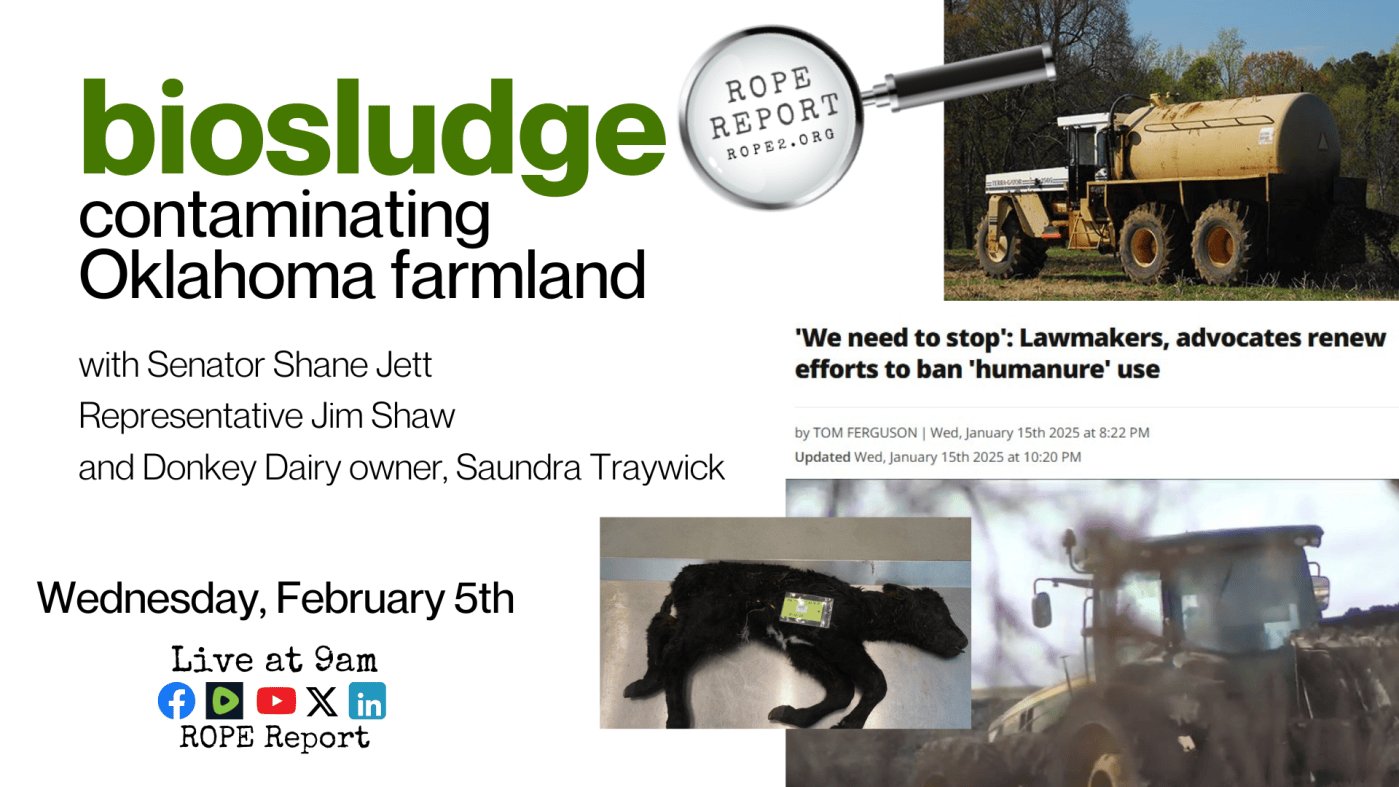
Wednesday, February 7th, Michael and I were joined on the ROPE Report podcast by Senator Shane Jett, Representative Jim Shaw and Saundra Traywick to talk about efforts in the Oklahoma legislature to ban ‘biosolids’ – aka humanure, aka biosludge – from use on Oklahoma farmland. You can find the full LIVE broadcast on both our YouTube and Rumble channels.

For many years, Saundra has been sounding the alarm about this stuff that has such an horrific scent that you can smell it for miles and, up close, almost has a feel it’s so strong.

For many years, few have wanted to entertain Saundra’s concerns about what was in it to cause such an odor. Even after stories came to light in the media about towns in Maine and Texas where animals exposed to the sludge were dying and treated farmland lay in ruins from exposure to PFAs, or forever chemicals, found in industrial coating processes and things like firefighting foam.

Her Senator, Shane Jett, got it though. In 2023, he wrote a bill attempting to curtail the dumping of this toxic substance on Oklahoma farmland, but it didn’t even get a hearing. In 2024, SB874 was re-introduced, made it all the way through the Senate and then died on its way to the House.

Last August, Ben Felder with Investigate Midwest came to Luther and wrote a very long and complete article about the issues surrounding the use of human sewage waste on farmland and its link to Maine and Texas farms polluted with PFAs.

In this clip, we talk about how farmers who use this sludge get it for free from a private company who works with the government (the City of Oklahoma City) to remove their sewage waste while they’re assuring the farmers taking the sludge that it’s safe and effective (sort of like a vaccine we’ve heard about). As with so many things, the application of toxic wastewater to farmland apparently has everything to do with money and very little to do with the safety of the farmers using it and the people eating whatever comes off it.

During another part of the video Representative Jim Shaw spent some time talking about how, without regulation, companies tend to do whatever benefits them – whether it’s spraying farmland with human poop, or putting in a carbon capture facility because, well, tax incentives.

As Rep. Shaw says, Oklahoma has to do better at protecting its citizens and that’s what we have to do this year.

Saundra has created a list of legislation to support and oppose. Check the list out and be familiar with some of the issues. These are the bills that MUST be dealt with this year to help solve the problem of toxic sludge dumping. Make sure to contact your Representatives and Senators and let them know how you expect them to vote should they make it to the floor this session. This practice of biosludge dumping may happen in the rural areas of our state, but depending on what is then grown in that soil, it could absolutely affect you and your health as well.

SUPPORT

HB 1726  – prohibiting land application, spreading, sale, and distribution of biosolids

SB 268 – preventing the spread and application of biosolids for farmland

SB 620 – forces those who use biosolids to have to disclose that they have used it

OPPOSE

SB 271 – Exempts cities and wastewater companies from liability for contaminating rural communities, and allows other states to dump their toxic biosludge on Oklahoma as long as it’s within our negligent (currently non-existent) PFAS regulations!

SB 3 – a temporary fix for biosolid application

Election Bills To Support And Oppose – Oklahoma Legislative Session 2025

This list was composed by Wendi Montgomery Dial and published to her Restore Liberty Substack. You can find the whole piece here. Not all information from her Substack is reproduced here, just the basic information, so please go read for more information.

Bills that should not be passed:

HB 1116, Stewart. This bill would introduce automatic voter registration upon renewal of a driver’s license. It would also automatically register minors as soon as they receive their adult driver’s license at 18.

SB 1086, Gollihare. This bill restricts public access to voter registration rolls. This would make election integrity efforts much harder. 

SB 129, Kirt. This bill would increase the days of in person absentee voting to 14 calendar days. The goal in order to achieve secure elections is to have all elections conducted on one day, Election Day, as the US Constitution requires. Rating? Ugly.

SB 214, Goodwin. This bill changes the date of special elections and forces the governor to make the call for a special election within a specific time frame. This also takes State questions out of the general elections where they would have more votes and puts them in a special election where they would have little attention and very little participation, a hypothetical election manipulator’s dream scenario. 

SB 273, Boren. This bill would add 2 days to Early Voting and also add polling places for the practice, 1 polling place for every 15,000 voters. This also adds local law enforcement to the sheriff’s duties carried out during elections.

SB 147, Pederson. This bill mandates post election audits after each elections. The parameters of these audits would be determined by the State Election Board. Currently Oklahoma conducts risk limiting audits randomly after elections. 

SB 654, Paxton. This bill removes notarizing too many ballots from the definition of ballot harvesting, a felony, plus makes it far more difficult to prosecute a notary for breaking the law and notarizing over twenty ballots by introducing language regarding intent. This renders Oklahoma law against a notary witnessing over 20 ballots per election essentially useless. Rating? Ugly.

HB 1985, Ranson. This bill would make straight party voting illegal and require voters to fill out their individual choices for all ballot races and measures. 

SB 962, Haste. This bill increases fees for all recounts of elections. There would be penalties if irregularities are not proven in a court of law to a judge. 

SB 525, Boren. This bill would add unelected members of law enforcement to the process of securing elections and provide training for those officers.

HB 1010, Jenkins. This bill would charge a political party for all costs of the state for their candidates being on the ballot of a primary election IF the delegates to the party’s national convention cast their votes for someone other than the candidate who received the vote of the state. Rating? Bad.

Bills that should be passed or that will enhance election security:

HB1151, Banning. This bill moves school board elections to existing primary and general election dates. It also changes the terms to four years for all school board members. 

SB 834, Bullard. This bill prohibits open and jungle primaries in Oklahoma with penalties that include voiding the elections that are held with an open primary. Rating? Good.

HB1120, Lepak. This bill would prohibit the Secretary of the State Election Board or any other county secretary of an election board from implementing any new federal guidance or directives without the prior approval from the State Legislature.

SB 652, Paxton. This bill restricts the calendar dates that a special election may be called. 

SB 659, Deevers. This bill would require that state agencies verify US citizenship and Oklahoma residency of anyone before giving them voter registration materials. This bill contains a penalty of a fine not to exceed $5,000 and sets the violation at a misdemeanor. Rating? Good.

SB 536, Howard. This is a bill related to the duties of the assistant secretary of the county election board and adds to the provisions of that role.

HB 2191, Wolfley. This bill would require notaries to turn over their logs as public record if they apply for an exemption to be able to lawfully notarize more than 20 ballots in any election.

SB 1116, Sacchieri. This bill would require any State Question or proposal sent to voters to include conspicuous language if the passage of the proposal would result in a tax increase on the citizens. Rating? Good.

SB 990, Coleman. This is a bill that establishes a mechanism for recall elections in statewide races in Oklahoma. 

SB 735, Deevers. This bill sets up a requirement for each county election board secretary to submit annually a report to the state election board, as well as a requirement for the state election board to report to the legislature and governor, of their efforts to maintain the voter registration rolls of the state.

HB 1005, Olsen. This bill would require Service Oklahoma to develop a photo ID voter registration card that would be offered free to certain registered voters.

HB 1007, Olsen. This bill would not allow an ID issued by an educational institution to be used as a valid form of identification to vote.

Revision

SB953, Deevers. This is a bill that creates the Election Integrity Enforcement Act which authorizes District Attorneys to initiate civil actions on behalf of voters within their respective judicial districts in cases of alleged election irregularities or fraud. Rating? Excellent.

Legislation To Support And Oppose Affecting Farms and Ranches – Including Energy, Property Rights, Farming and Food

This list is compiled by Save Oklahoma Farms And Ranches (SOFAR). You my click on this link to go directly to the Google spreadsheet which is VERY thorough and easy to read with links to the legislation directly.

YES

ENERGY

HB 1044 – Gives local county commissioners back power, and enables them to implement moratorium on wind turbines to protect oil and gas industry.

HB 1205 – Repeals this giving small wind turbine tax credits:

HB 1263 – Creates wind turbine setbacks

HB 1450 – Creates a moratorium on the construction or expansion of any new or existing wind or utility-scale solar energy facilities in this state

HB 1451 – Creates setbacks of 15,840 ft to adjacent property lines for Industrial Solar and Industrial Wind Turbines!

HB 1452 – puts a tax on green energy to replace losses from subsidies

HB 1989 – setbacks of 2 miles from wind turbines to aquifers, etc

HB 2074 – Repealing wind energy development

HCR 1001 – Resolution against federal power of eminent domain.

HJR 1003 – resolution against eminent domain for green energy subsidized projects, AND for green energy TRANSMISSION LINES

SB 1003 – provides for on-demand power and not intermittent power. Firm power; oil/natural gas. Intermittent power; wind/solar

SB 1018 – a bill to protect water resources from a CO2 pipeline rupture or other CO2 disaster.

SB 239 – removing subsidies from wind turbines

SB 429 – increasing wind turbine setbacks

SB 460 – promotes natural gas as the preferred fuel source for Oklahoma

SB 713 – stops the blinking lights on wind turbines by requiring them to use a different technology for aircraft detection

SB 994 – includes protections against eminent domain for co2 pipelines and sequestration

SB 919 – would prevent the CLO (School land) from leasing to renewable energy, mining, etc. rather than farming and agriculture

FARMING

HB 1162 YES!!! Allows small animal milk producers to advertise and sell their milk.

HB 1191 YES!!! Allows donkey milk to be advertised.

HB 2152 YES!!! Gives home food producers more freedoms and removes government overreach restrictions.

SB 477 – companion bill to HB1191 – allows donkey milk to be advertised

SB 939 – modifies the Food Freedom Act to make it easier for home producers to sell certain foods

SJR 8 – The right of a citizen of Oklahoma to cultivate food and to purchase food from the source of his or her choice shall not be infringed

HUMANURE/BIOSOLIDS

HB 1726 prohibiting land application, spreading, sale, and distribution of biosolids

SB 268 preventing the spread and application of biosolids for farmland

SB 620 forces those who use biosolids to have to disclose that they have used it

GENERAL GOVERNMENT

SB 571 – whistleblower protections

MEDICAL

SB 611 protects Oklahomans from ESG, AI, forced vaccines, digital ID, protects right to farm, etc.

NO

ENERGY

HB 1093 – bad setback bill

HB 1374 – changes designation of a public utility among other changes

HB 1737 – would allow electric bills to add fees for accidents occurring with new energy technologies

HB 2142 – National Guard Wind Energy Policy Act of 2025

HB 2155 – Renewable Energy Facility Act

HB 2157 – All about developing renewable energy

HB 2747 – For transmission line upgrades and more

HB 2752 – an eminent domain for energy sites bill that is not as inclusive as the one in the YES section

HB 2908 – a bill creating hydrogen incentives

SB 1003 – check the link for SOFAR’s take on the bill – a very large energy bill

SB 1012 – REMOVES safe setbacks for wind turbines

SB 1026 – Setbacks are not sufficient enough to protect land owners

SB 1080 – public/private partnership for development of hydrogen projects

SB 2 – setbacks not sufficient to protect land owners

SB 241 – Twenty Million Dollars ($20,000,000.00) for the purpose of providing a rebate for capital investments in an establishment that refines, manufactures, or processes compounds or elements into hydrogen-based products 

SB 269 – a very large energy bill with lots of concerns – again, check the link for SOFARs take

SB 352 – SB 994 instead. It’s a better bill and includes protections from co2 pipeline eminent domain!

SB 577 – exemptions to AI and data centers. Favors big business over small business.

SB 610 – increases electric / utility costs because of green energy projects and transmission corridors

SB 688 – gives green energy companies tax breaks

SB 689 – Gives tax exemptions to AI and data centers. Favors big business over small business.

SB 998 – Increasing rate payers rates to to pay for new transmission lines

FARMING

HB 1910 – giving tax dollars to farmers for providing sustainable farming practices, etc.

SB 1080 – retaliatory legislation against the Oklahoma Donkey Dairy

HUMANURE/BIOSOLIDS

SB 271 – Exempts cities and wastewater companies from liability for contaminating rural communities, and allows other states to dump their toxic biosludge on Oklahoma as long as it’s within our negligent (currently non-existent) PFAS regulations!

SB 3 – a temporary fix for biosolid application

GENERAL GOVERNMENT

MEDICAL

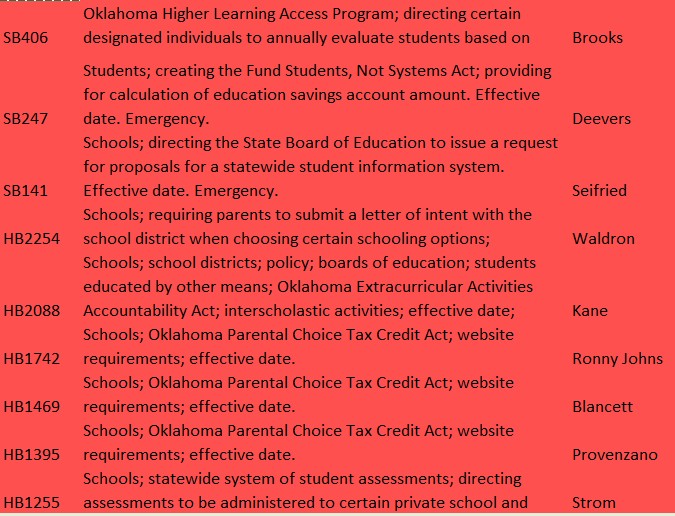
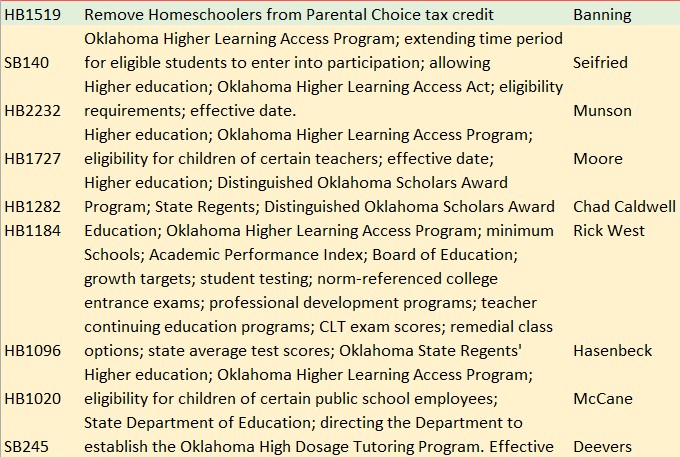
Oklahoma Legislation Affecting Homeschool Or Education Autonomy To Support Or Oppose

Below are the bills which would affect homeschooling families in one way or another. The RED are not supported by home educators and the GREEN are supported by those who educate their children at home without government assistance. This list was compiled by homeschool educator Robert Scott.

In order to help you read this list better, you can click in the document and it will take you to our SCRIBD site. You may also print out this PDF. Below is a list of just the bills.

Also, HJR1010 by Jim Shaw which would provide constitutional protection for homeschools and private schools. A Joint Resolution directing the Secretary of State to refer to the people for their approval or rejection a proposed amendment to Section 4 of Article XIII of the Constitution of the State of Oklahoma; stating certain parental and legal guardian rights; limiting certain school regulations; providing ballot title; and directing filing.


PikeOffOTA (aka Citizens for Responsible Transportation) Request Bills For 2025

Bills requested to help curb the power, influence and transparency of the Oklahoma Turnpike Authority. Please contact your legislators and ask them to watch for these bills.

OTA SPECIFIC

HB1188 – Title 69, Section 1707 – Abutting property owner rights along turnpikes, including compensation  for damages, devaluation of property or at the request of the property owner, acquisition of property plus all relocation costs incurred by owner. (Rick West) **MIRROR BILL TO SB969

HB1781 – Title 69, Section 1914 (NEW LAW) – Restricting how and where the OTA can advertise. (Shaw)

HB1939 – Title 69, Section 1705 – Sunset location authorizations if the OTA has not commenced physical construction in earnest within five years. (Sterling) 

HB2090 – Title 74, Section 213 –  State Auditor and Inspector to perform a special audit providing a determination of the revenue required to repay the original cost of existing turnpikes, provide an assessment of risk within the agency, conduct a 15 year look back and 10 year projection of maintenance reserved fund balances, deposits, expenditures and explanation of cross pledging refinancing practices, provide explanation of gap between required reserve maintenance fund deposits and actual reserve maintenance funds, provide an explanation of financial impact of cost overruns on the driving forward program. (Menz)

HB2093 – Title 69, Section 1709 – Establishing a bond debt ceiling on the OTA. (Menz) **MIRROR BILL TO SB963

HB2097 – Title 69, Section 1711 – – NEW LAW – Requiring legislative approval via a joint resolution for toll increases. (Menz) **MIRROR BILL TO SB964

SB963 – Title 69, Section 1709 – Establishing a bond debt ceiling on the OTA. (Standridge) **MIRROR BILL TO HB2093

SB983 – Title 69, Section 1705 – Audit by the State Auditor and Inspector prior to Bond Sales.  Auditor can request any information necessary for the determination of the feasibility and economic soundness of any turnpike projects or parts thereof listed in 1705(e) which are to be financed with revenue bonds. (Standridge) 

SB966 – Title 69, Section 1703 – Creation of a Turnpike Legislative Oversight Board.  OTA must annually provide a copy of its most recent annual report to the members of the Turnpike Legislative Oversight Board, in addition to any information requested by such body. (Standridge)

SB969 – Title 69, Section 1707 – Abutting property owner rights along turnpikes, including compensation  for damages, devaluation of property or at the request of the property owner, acquisition of property plus all relocation costs incurred by owner. (Standridge) **MIRROR BILL TO HB1188

SB 964 – Title 69, Section 1711 – NEW LAW – Requiring legislative approval via a joint resolution for toll increases. (Standridge) **MIRROR BILL TO HB2097

Open Records Act

HB2095 – Title 51, Section 24A.5 – Requiring state agencies to reply to open record requests within 30 days.  

Blog at WordPress.com.

Up ↑